Levallois-Perret, France
- 62,178 people
- 14 places to visit
- 48.8932, 2.2879
Places to Visit (14)
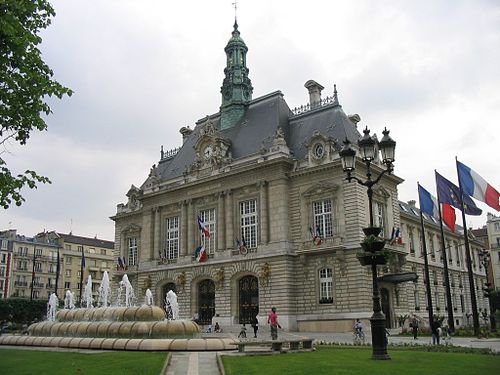
Levallois-Perret is a commune located in the northwestern suburbs of Paris, France, about 7 kilometers from the center of the French capital. It is part of the department of Hauts-de-Seine in the Île-de-France region. The commune, which lies on the banks of the Seine River, has a rich history that dates back to the 19th century when it became a center for industry and commerce. Originally a rural area, its transformation began with the advent of the railway in the 1840s, attracting businesses and workers to the area. The name "Levallois" comes from a local landowner, while "Perret" refers to the former village of Perret that was amalgamated with Levallois in 1929. The town is known for its distinctive architectural styles, including the Haussmannian buildings that are characteristic of the Parisian suburbs.
Levallois-Perret is well-regarded for its urban planning and green spaces, offering residents a high quality of life. The commune features several parks, such as Parc de la Planchette and Parc des Impressionnistes, which provide recreational opportunities and a place for residents to unwind. With a diverse population of around 65,000 inhabitants, Levallois-Perret maintains a vibrant community atmosphere. The city's infrastructure is well-developed, featuring extensive public transport options, including access to the Paris Métro and bus services, facilitating easy commutes to central Paris. Moreover, Levallois-Perret is home to a variety of businesses, shops, and restaurants, contributing to a lively local economy.
Education in Levallois-Perret is prioritized, with multiple schools and institutions catering to students of all ages. The commune places an emphasis on culture and the arts, hosting events and activities throughout the year that aim to engage the community and celebrate local heritage. From historical landmarks to modern amenities, Levallois-Perret successfully blends its rich history with contemporary living, making it an appealing location for families, young professionals, and retirees alike. Its strategic position as a suburb of Paris enhances its allure, drawing those who appreciate the vibrancy of city life while seeking the tranquility of suburban living.
Facts about Levallois-Perret
- Levallois-Perret is known for its distinctive urban planning, designed by architect Georges Haussmann, making it one of the first towns to be developed in a modern city grid layout.
- The city is home to the famous Parc de la Planchette, which features a historic waterfall and is a unique green space among the dense urban environment of Paris suburbs.
- Levallois-Perret played a significant role during the industrial revolution, becoming an important center for the production of metal goods, particularly in the late 19th century.
- The town is notable for its art and cultural scene, having established events such as the Levallois-Perret International Dance Festival, which attracts performers from across the globe.
- Levallois-Perret hosts the Saussay Theatre, a unique cultural landmark, providing a venue for various performances and artistic programs that enhance the community's cultural landscape.
- The city is distinguished by its population diversity, being home to a large expatriate community, which contributes to its multicultural atmosphere.
- Levallois-Perret has a unique historical connection to the Levallois culture, an ancient stone tool technology from the Paleolithic era, named after the town due to archeological findings in the area.
- The local government of Levallois-Perret has been recognized for its innovative urban policies, particularly in sustainable development and transportation, making it a leader among French municipalities.
- Levallois-Perret boasts a rich sporting culture, being the home of several amateur sports clubs and hosting events such as the annual Levallois-Perret Marathon.
- The city features historical architecture reflecting its former status as a prosperous suburb, including the Church of Saint-Justin, which dates back to the late 19th century.