Lévis, Canada
- 143,414 people
- 12 places to visit
- 46.7583, -71.2397
Places to Visit (12)
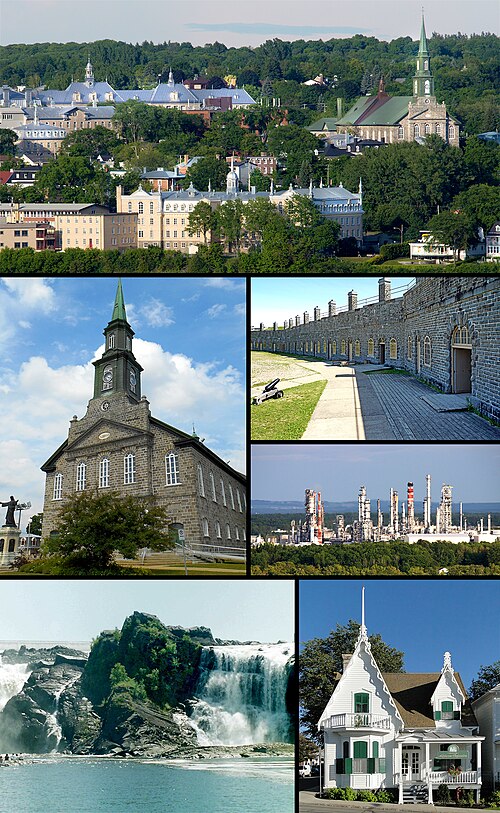
Lévis is a city located on the south shore of the St. Lawrence River in Quebec, Canada. It is part of the Quebec City metropolitan area and is situated directly across from the provincial capital, Quebec City. As of the 2021 Census, Lévis had a population of approximately 147,000 residents, making it one of the largest cities in the province. The city was officially incorporated in 1861, but its history dates back to the early 17th century, with the establishment of a French trading post in the area. Lévis is named after the French soldier and politician, Jacques Lévis, and is known for its rich historical heritage, including its architecture, parks, and waterfront.
Lévis has evolved into a vibrant urban center that combines historical charm with modern amenities. The city features a variety of cultural attractions, including the Lévis Forts, which are remnants of the British military fortifications from the 19th century. The old Lévis market is another hub of activity, offering local produce and artisan goods. The city also boasts several parks and recreational sites, which provide residents and visitors with ample opportunities for outdoor activities like cycling, hiking, and watersports along the St. Lawrence River. Lévis is well-connected to Quebec City through ferries and highways, making it a convenient location for commuters and tourists alike. As a center for commerce and services, Lévis has a diversified economy, with sectors such as manufacturing, retail, and technology playing significant roles in its growth and development. The city continues to attract new residents and businesses, reflecting its blend of historical significance and modern urban life.
Facts about Lévis
- Lévis is situated directly across the St. Lawrence River from Quebec City and is a key part of the Quebec metropolitan area.
- The city is home to the iconic Lévis Forts, a series of historic fortifications built during the 19th century to defend against potential American invasion.
- Lévis has the largest wooden church in Canada, the Église de la Visitation, which is an exemplary piece of architecture and draws many visitors each year.
- The annual Festivent de Lévis is one of the largest hot air balloon festivals in Canada, attracting enthusiasts and visitors to the city every summer.
- Lévis is part of the Chaudière-Appalaches region, known for its rich agricultural land and heritage, which sets it apart from urban centers in Canada.
- The city features a unique ferry service that connects Lévis to Quebec City, offering stunning views of both cities and the river.
- Lévis has a strong community of artisans and craftsmen, with numerous local shops, galleries, and markets that showcase regionally made products and crafts.
- The city's vibrant historical district, Old Lévis, contains numerous preserved buildings and heritage sites, reflecting the history and culture of the area.
- A significant event in Lévis’s history is the Battle of Lévis, fought in 1760 during the Seven Years' War, which played a crucial role in the British conquest of Canada.
- Lévis is known for its parks and outdoor recreational spaces, including the Parc des Chutes-de-la-Chaudière, which features beautiful waterfalls and hiking trails.