Lexington MA, United States
- 31,394 people
- 16 places to visit
- 42.4473, -71.2272
Places to Visit (16)
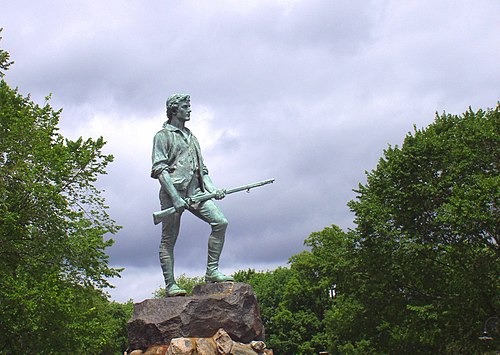
Lexington, Massachusetts, is a historic town located approximately 11 miles northwest of downtown Boston. Known for its pivotal role in the early stages of the American Revolutionary War, Lexington gained prominence as the site of the "Shot Heard 'Round the World" on April 19, 1775. This event marked the beginning of armed conflict between Great Britain and its thirteen American colonies. Visitors to Lexington can explore its rich history through various landmarks, including the Lexington Battle Green, where the confrontation took place, and the Minuteman Statue, which commemorates the courage of local militia members. The town is also home to the Buckman Tavern, a historic inn that served as a gathering place for the colonial militia.
Beyond its historical significance, Lexington is recognized for its well-planned suburban community, characterized by high-quality schools, diverse housing options, and abundant green spaces. The town has a strong commitment to education, with the Lexington Public Schools system consistently ranking among the top in the state. The town's recreational amenities include parks, sports fields, and a network of walking and biking paths that connect various neighborhoods and promote outdoor activities. Additionally, Lexington's vibrant arts and culture scene offers a variety of community events, arts programs, and performances, making it an attractive place for families and individuals alike. With a blend of historical charm and modern conveniences, Lexington stands as a unique example of a thriving New England town.
Facts about Lexington
- Lexington, Massachusetts is famously known as the site of the first shot of the American Revolutionary War, which occurred on April 19, 1775, during the Battles of Lexington and Concord.
- The town is home to the Minute Man National Historical Park, which commemorates the opening battles of the American Revolution and attracts visitors interested in early American history.
- Lexington is recognized for its rich literary history, having been a residence for notable authors such as Louisa May Alcott and one of the first women's rights advocates, Octavia Butler.
- The town is named after a famous village in England, and its name has historical significance as it symbolizes the colonists' resistance against British rule.
- Lexington boasts several historic sites, including the Battle Green, where the confrontation with British troops occurred, and the Hancock-Clarke House, which served as a meeting place for revolutionaries.
- The town hosts the annual Patriots' Day celebration, which includes reenactments of the historic battles, parades, and various community activities, making it a vibrant part of its local culture.
- Lexington has a strong commitment to public education and is home to top-ranked public schools, consistently recognized for academic excellence by various educational standards.
- The town features a significant number of historic homes from the 18th and 19th centuries, with the oldest dating back to the early colonial period, providing a unique glimpse into early American architecture.
- Lexington is also known for its green spaces and parks, including the approximately 1,880-acre Great Meadows National Wildlife Refuge, which offers nature trails and wildlife observation opportunities.
- The town has a diverse cultural landscape, with multiple community centers, art galleries, and events throughout the year that promote local arts and culture.