Libourne, France
- 24,240 people
- 8 places to visit
- 44.913, -0.244
Places to Visit (8)
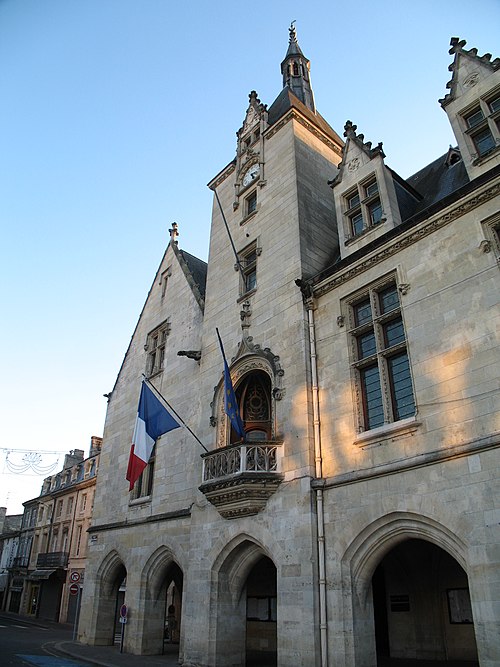
Libourne is a picturesque commune located in the Nouvelle-Aquitaine region of southwestern France, specifically in the Gironde department. Situated at the confluence of the Isle and Dordogne rivers, Libourne serves as a vital transportation hub and has historically been a significant market town. With a population of approximately 24,000 residents, it is known for its stunning architecture, vibrant markets, and proximity to some of the most prestigious vineyards in the Bordeaux wine region. The town's layout features a mix of medieval streets and modern infrastructures, reflecting its rich history and contemporary development.
Founded in the 13th century by the Count of Foix, Libourne quickly gained prominence due to its strategic location, allowing it to thrive as a commercial center. The town is characterized by its well-preserved historical buildings, such as the Church of St. Jean Baptiste, which boasts a striking Gothic facade. The weekly market, held at the Place Abel Surchamp, is a highlight for locals and visitors alike, offering a wide array of regional produce, artisanal goods, and wines, which are integral to the local culture. Libourne is also closely associated with the prestigious wine appellations of Saint-Émilion and Pomerol, making it an attractive destination for oenophiles eager to explore the surrounding vineyards.
In addition to its historical and culinary offerings, Libourne is well-connected to major cities like Bordeaux, thanks to its efficient transport links, including trains and highways. This accessibility enhances its appeal as a residential area for commuters and tourists. The town also hosts several events throughout the year, celebrating both local heritage and the vibrant wine culture of the region. The lush landscapes, coupled with the serene riverside views and charming streets, make Libourne not only a hub of commerce and culture but also a delightful place for leisure and exploration.
Facts about Libourne
- Libourne is situated at the confluence of the Isle and Dordogne rivers, making it a unique port town known for its picturesque waterfront.
- The town is famous for its wine production, being located near renowned vineyards like Saint-Émilion, which is a UNESCO World Heritage site.
- Libourne features a remarkable 19th-century covered market known as the 'Halle,' which is one of the largest and most beautiful in France.
- The historical architecture of Libourne showcases a blend of styles, prominently featuring the revival of the Renaissance and Gothic design in its buildings.
- Libourne was founded in the 13th century by the English King Edward I, distinguishing it as a location that reflects the Anglo-French historical ties.
- The town hosts an annual 'Fête de la Gastronomie' event, celebrating local food and wine, which attracts visitors from all over France.
- Libourne's medieval port layout and grid structure are rare for French towns, reflecting its origins as a trading center.
- The 'Place Abel Surchamp' is a central square in Libourne, notable for its vibrant atmosphere and a variety of local shops and cafes.
- In the 19th century, Libourne became a hub for railway development, significantly contributing to its economic growth and accessibility in the region.
- Libourne is home to the impressive Château de la Rivière, a vineyard estate that features a historic castle and offers tours and tastings.