Libreville, Gabon
- 846,090 people
- 4 places to visit
- 0.4078, 9.4403
Places to Visit (4)
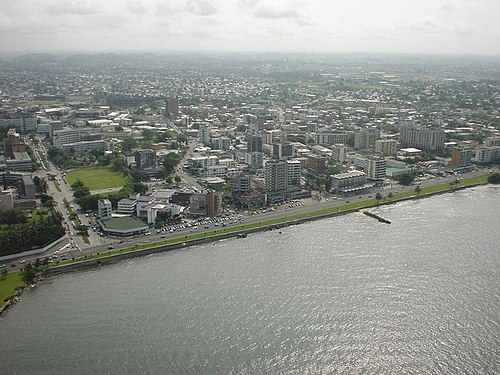
Libreville is the capital and largest city of Gabon, located along the Atlantic coast of Central Africa. Founded in 1843 as a settlement for freed slaves, the city has grown to become a pivotal political, economic, and cultural center in the country. As of the latest estimates, Libreville has a population of around 200,000 residents, but the metropolitan area is home to over a million people, making it one of the most populous urban centers in Gabon. The city is characterized by its lush tropical environment, which features a mix of modern urban development and natural greenery, including various parks and the nearby Pointe Denis beach.
Economically, Libreville plays a crucial role in Gabon's economy, largely due to its access to offshore oil reserves that contribute significantly to the country's GDP. Major industries in the city include oil and gas extraction, timber, and fishing. The port of Libreville is an essential hub for trade, connecting Gabon with international markets and facilitating the import and export of goods. The city is also known for its markets, particularly the Mont-Bouet market, where locals and visitors can find a variety of goods ranging from fresh produce to handicrafts. Culturally, Libreville is vibrant and diverse, showcasing a blend of Gabonese traditions and influences from various ethnic groups. The city hosts several cultural institutions, such as the National Museum of Arts and Traditions, which highlights the rich history and art of the country.
Libreville also faces challenges typical of growing urban areas, including infrastructure development, traffic congestion, and access to basic services. However, initiatives for urban renewal and sustainable development are underway, aimed at improving the quality of life for residents. The city is served by Léon-Mba International Airport, which facilitates both domestic and international travel, linking Gabon to the broader African continent and beyond. Libreville's strategic location, natural resources, and cultural richness position it as a key city in Central Africa, with ongoing potential for growth and development.
Facts about Libreville
- Libreville is the capital and largest city of Gabon, serving as the political and administrative center of the country.
- The city was founded in 1849 as a settlement for freed slaves, which distinguishes its historical context from other cities in Gabon.
- Libreville features a unique blend of architectural styles, including colonial buildings, modern structures, and traditional huts, reflecting its diverse history.
- The city is home to the National Museum of Arts and Traditions, showcasing Gabon's rich cultural heritage and promoting local artists.
- Libreville hosts the important provincial and national government offices, making it the focal point for various political activities in Gabon.
- The city has a prominent beachfront along the Atlantic Ocean, making it a popular destination for both locals and tourists seeking leisure and recreation.
- Libreville is known for the lively markets, particularly the Mont Bouet market, where local products, handicrafts, and fresh produce are sold.
- The annual Festival of the Arts in Libreville celebrates culture, arts, and performances, bringing together artists from across Gabon and beyond.
- Libreville serves as a central hub for Gabon's economy, housing various banks, businesses, and foreign embassies that facilitate international relations.
- The city's name, which means 'beautiful valley' in French, reflects its picturesque setting along the Gabon River, contrasting with the more rugged landscapes of other regions in the country.