Lidingö, Sweden
- 42,466 people
- 14 places to visit
- 59.3666, 18.1736
Places to Visit (14)
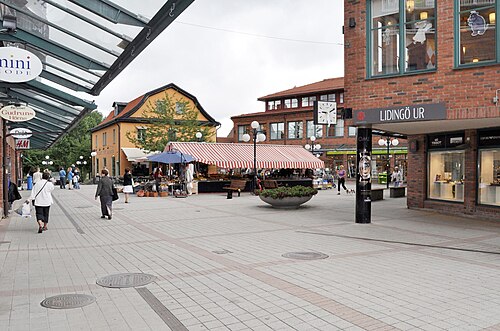
Lidingö is an island and a city, located just northeast of Stockholm in Sweden. It covers an area of approximately 30 square kilometers and is part of the Stockholm County. The island is separated from the mainland by the Lidingö Canal, which provides a natural border and scenic views. Lidingö is connected to central Stockholm via the Lidingö Line tram, a vital transportation link that spans over the iconic Lidingö Bridge. This makes it easy for residents and visitors to access the urban offerings of Stockholm while enjoying the more tranquil, suburban lifestyle that Lidingö provides.
Historically, Lidingö was largely agricultural until the late 19th century when it began to develop as a residential area for those seeking a retreat from the bustling city. Its well-planned neighborhoods, scenic landscapes, and proximity to the water have made it a desirable location for affluent residents, which is reflected in the number of villas and modern homes found throughout the island. The city's population, which hovers around 30,000, enjoys a high standard of living, with access to numerous parks, recreational areas, and cultural facilities. Among the notable attractions is the Millesgården, an art museum and sculpture park that showcases Swedish sculptor Carl Milles' work.
Lidingö is characterized by its natural beauty, featuring lush forests and relatively undeveloped areas, which offer opportunities for outdoor activities such as hiking, cycling, and sailing. The island is also known for its commitment to sustainability, with various initiatives aimed at promoting environmentally friendly practices among residents and businesses. Lidingö's local government prioritizes green spaces and aims to preserve the island's unique landscapes, making it not just a place to live, but a community that values nature and culture. The blend of urban convenience and natural charm makes Lidingö a unique and attractive destination within Sweden.
Facts about Lidingö
- Lidingö is primarily known for its stunning nature and outdoor activities, featuring parts of the Royal National City Park, one of the largest urban parks in the world.
- The Lidingö Bridge, completed in 1971, connects the island to the mainland and is notable for being an essential route for transportation while also offering picturesque views of the surrounding waters.
- Lidingö is home to the famous Millesgården, an art museum and sculpture garden founded by artist Carl Milles, which showcases his works and offers cultural events.
- The island has a rich history that dates back to the Viking Age, and several archaeological sites, such as ancient burial mounds, can still be found today.
- Lidingö was the first municipality in Sweden to introduce a comprehensive recycling program in the 1970s, making it a pioneer in sustainable waste management.
- Lidingö hosts the annual Lidingöloppet, one of the world's largest cross-country races, involving thousands of runners from around the globe.
- The area is known for its significant architectural heritage, including grand wooden villas and modern buildings that reflect its development from a rural community to an affluent suburb.
- Lidingö is celebrated for its unique combination of urban life and suburban tranquility, being a short ferry and public transport ride from downtown Stockholm.
- The local school system is highly regarded, with several schools consistently ranking among the best in Sweden, contributing to Lidingö's reputation as a desirable place to live and raise children.
- Lidingö was formerly a part of the municipality of Stockholm until it became its own municipality in 1906, allowing for more localized governance and community development.