Liège, Belgium
- 195,278 people
- 19 places to visit
- 50.633, 5.5697
Places to Visit (19)
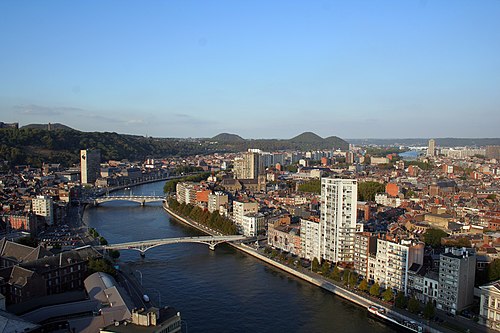
Liège, a vibrant city in eastern Belgium, is situated along the banks of the Meuse River. It is the capital of the Walloon region and the province of Liège. Known for its rich history and cultural heritage, Liège dates back to Roman times and has evolved into an important economic and educational center. The city has a population of approximately 200,000 residents, making it one of the largest urban areas in Wallonia. Over the centuries, Liège has played a crucial role in regional politics, trade, and industry, particularly during the height of the Industrial Revolution, when it became known for its metallurgical and coal mining industries.
Liège boasts a diverse array of architectural styles, reflecting its historical significance. The city is home to the stunning Liège Cathedral, a Gothic masterpiece that dates back to the 10th century, and the Prince-Bishops' Palace, which showcases Baroque architecture. The renowned La Basse-Meuse district, a UNESCO World Heritage site, highlights the harmonious coexistence of urban and natural landscapes. Additionally, cultural attractions such as the Curtius Museum, which houses an extensive collection of decorative arts, and the Liège Royal Opera further enhance the city's cultural allure. The vibrant Cercle Culturel de Liège plays a fundamental role in promoting the arts, hosting numerous concerts, exhibitions, and theatrical performances throughout the year.
Liège is also recognized for its lively gastronomy, featuring local specialties such as "boulets Liégeois" (meatballs in a rich sauce) and the famous Liège waffles, known for their unique texture and flavor. The city's dynamic atmosphere is further augmented by its various festivals, including the Fête de la Saint-Lambert, which celebrates the city's patron saint with processions and cultural events. Additionally, Liège is well-equipped with modern infrastructure, including a comprehensive public transport network and the Liège-Guillemins railway station, designed by the famed architect Santiago Calatrava, which connects the city to major European hubs. Overall, Liège is a city where history, culture, and modernity converge, making it an intriguing destination for both residents and visitors alike.
Facts about Liège
- Liège is known for its vibrant nightlife and numerous bars, making it one of Belgium's cultural hubs for music and entertainment.
- The city is home to the renowned Liège-Guillemins railway station, designed by architect Santiago Calatrava, which is celebrated for its striking modern architecture.
- Liège was historically a significant center for the production of steel and coal, contributing to its status as a major industrial city in the 19th century.
- Liège hosts the famous Liège International Film Festival, showcasing a diverse range of films and attracting filmmakers from around the globe.
- The city is famed for its unique culinary specialty, 'boulets liégeois,' which are meatballs served with a special sauce, often accompanied by fries.
- Liège is one of the oldest cities in Belgium, with a history dating back over 1,000 years, evidenced by its medieval architecture and landmarks.
- The city features the impressive Montagne de Bueren, a steep staircase with 374 steps that offers panoramic views of Liège and its surroundings.
- Liège is recognized for its vibrant street art scene, with numerous murals and graffiti pieces that reflect the city's rich history and culture.
- The Prince-Bishops of Liège governed the area for centuries, making it a unique ecclesiastical state within the Holy Roman Empire before becoming part of Belgium.
- Liège is notable for its active riverfront along the Meuse River, which has been revitalized into a leisure area with parks, restaurants, and recreational activities.