Liepāja, Latvia
- 85,132 people
- 14 places to visit
- 56.5385, 21.0538
Places to Visit (14)
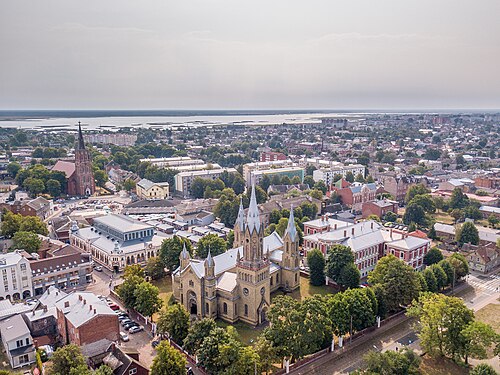
Liepāja, located on the western coast of Latvia, is one of the country's largest cities and serves as a significant cultural and economic hub. Founded in the 16th century, it has a rich history marked by periods of prosperity, particularly during the 19th century when it emerged as a vital port city. Known for its unique blend of architectural styles, Liepāja boasts a collection of 19th and 20th-century buildings, including wooden houses and grandiose European-style structures. The city is particularly noted for its vibrant street art, with murals adorning many buildings, reflecting the local artistic scene. The city’s beaches, particularly Liepāja Seaside Park, attract both locals and tourists, offering a picturesque setting along the Baltic Sea.
Liepāja also has a storied musical heritage, often referred to as the "City of Music." It is home to several music festivals, including the annual Liepāja Summer Festival, which showcases local and international artists. Additionally, the city is recognized for its distinctive contribution to the development of Latvian music, with institutions such as the Liepāja Music and Art Secondary School. The Liepāja Symphony Orchestra, established in 1940, is one of the oldest orchestras in the country and plays a crucial role in the cultural life of the city. Economically, Liepāja benefits from its strategic location, serving as a vital logistical point for maritime commerce and industry. The Liepāja Free Trade Zone facilitates entrepreneurial activities, making the city an attractive option for various business ventures. With a population of around 80,000, Liepāja continues to evolve, balancing its rich historical roots with modern development while remaining an integral part of Latvia's cultural identity.
Facts about Liepāja
- Liepāja is known as the 'City where the Wind is Born' due to its coastal location on the Baltic Sea, which creates strong winds.
- The city is home to the largest concert hall in the Baltic states, the Great Amber Concert Hall, which features state-of-the-art acoustics and design.
- Liepāja has a rich musical history and hosts the annual Liepāja International Stars Festival, celebrating both local and international talent.
- The city features a unique mix of architectural styles, including 19th-century wooden buildings, Art Nouveau, and Soviet-era structures, making it a delightful destination for architecture enthusiasts.
- Liepāja was one of the first places in Latvia to establish a modern industrial base back in the 19th century, particularly known for its shipbuilding industry.
- The city has a significant cultural landmark, the Black Nights Festival, which showcases film and art from around the world, promoting diversity in the arts.
- Liepāja is also known for its beautiful beaches, particularly the Liepāja Beach, which is famous for its fine white sand and picturesque dunes.
- Liepāja holds historical significance as a major military port throughout the 20th century, a legacy that can still be seen in the area's naval architecture and monuments.
- The city is home to the unique Liepāja Theatre, known for its innovative productions and rich history dating back to its establishment in 1893.
- Liepāja is the birthplace of many notable figures, including the famous Latvian poet Rainis and several musicians and artists known both locally and internationally.