Liévin, France
- 34,370 people
- 9 places to visit
- 50.4179, 2.7752
Places to Visit (9)
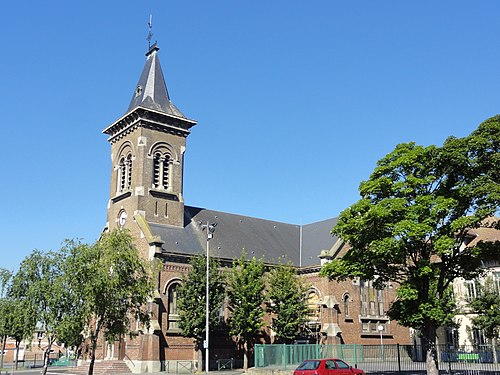
Liévin is a commune located in the Pas-de-Calais department in the northern region of France, specifically within the Hauts-de-France administrative region. Situated approximately 5 kilometers south of the city of Lens, Liévin is part of the Arras metropolitan area. The city has a rich industrial history, primarily associated with coal mining, which shaped its development in the 19th and 20th centuries. The discovery of coal in the region during the mid-19th century led to a rapid influx of workers and the establishment of mining infrastructure, which subsequently influenced the city's growth and demographics.
Now a small city with a population of around 35,000, Liévin has undergone significant changes since the decline of the coal industry in the late 20th century. As the mines closed, the community faced economic challenges but has gradually transformed, focusing on diversifying its economy and revitalizing public services. Efforts have been made to enhance local infrastructure, including transportation links and public amenities, while cultural initiatives aim to foster community engagement. Liévin also takes pride in its natural surroundings, with parks and green spaces offering residents recreational opportunities.
Culturally, Liévin is home to several historic and artistic landmarks, reflecting its industrial heritage and more recent development. The local government actively promotes cultural events and festivals that celebrate the city’s history and community spirit. Furthermore, the city's proximity to larger urban centers like Lens and Arras allows residents to access a wider range of services and cultural offerings. As Liévin continues to evolve, it seeks to balance its storied past with aspirations for a vibrant future, making it a notable example of a post-industrial community in France.
Facts about Liévin
- Liévin is located in the Pas-de-Calais department in northern France, and it was historically a center for coal mining during the industrial revolution.
- The city's history is closely tied to the mining industry, with the famous Liévin mine being a significant part of its development, contributing to the local economy and shaping its culture.
- Liévin is known for its unique architecture, featuring many buildings constructed in the 'art deco' style, which emerged during the early 20th century when the city saw significant growth.
- The city hosts the annual Liévin International Dance Festival, showcasing various dance styles and attracting participants from around the world.
- Liévin is home to the 'Memorial to the Mining Heroes,' which commemorates the miners who lost their lives in the coal mines, reflecting the city's rich yet challenging mining heritage.
- In recent years, Liévin has worked on urban development projects that aim to revitalize the city center and improve public spaces, distinguishing it from many other French towns that have remained static.
- The Stade de Liévin, a multi-purpose stadium in the city, is a hub for local sporting events and has hosted significant athletic competitions, promoting a strong local sports culture.
- Liévin is part of the larger Lens-Liévin urban area, which is recognized for its cultural initiatives, including partnerships with museums in the nearby city of Lens.
- The city features unique public artwork and murals that reflect its industrial past and commemorate the stories of its mining community.
- Liévin is located conveniently close to the historic city of Arras and the World War I memorial sites, making it a gateway for tourists interested in the region's history.