Lilongwe, Malawi
- 1,115,815 people
- 16 places to visit
- -13.9865, 33.7681
Places to Visit (16)
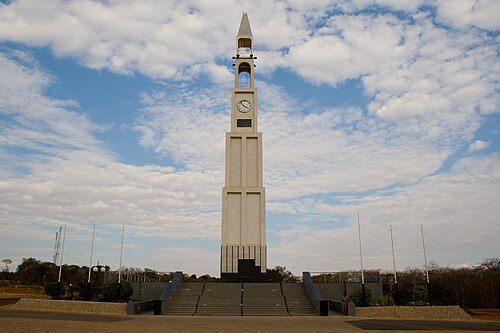
Lilongwe, the capital city of Malawi, is located in the central part of the country along the Lilongwe River. Established in 1994 as the capital, it succeeded Zomba, the former capital. The city is named after the river and has grown substantially over the years, evolving from a small trading center to a vibrant urban area that serves as the political, economic, and social hub of Malawi. With a population of approximately 1 million people, Lilongwe is one of the largest cities in the country. The geography of the city features a mix of flat plains and rolling hills, which contribute to its picturesque landscape.
Lilongwe is characterized by distinct commercial, residential, and diplomatic districts. The city has numerous markets, including the bustling Lilongwe Market, which offers a variety of local produce, crafts, and textiles. The capital is also home to several government institutions, foreign embassies, and international organizations, reflecting its status as the administrative center. Lilongwe's economy is diverse, with agriculture, trade, and services playing significant roles. Notable points of interest include the Lilongwe Wildlife Centre, a sanctuary for rescued animals, and the Kamuzu Central Hospital, which is one of the largest medical facilities in the region. The city's modern infrastructure includes roads, schools, and shopping centers, contributing to its growth and development.
Cultural life in Lilongwe is vibrant and diverse, showcasing both traditional and contemporary influences. The city hosts various events that promote Malawian culture, such as music festivals, art exhibitions, and traditional dance performances. Lilongwe is also known for its hospitality, with various accommodations ranging from budget lodgings to upscale hotels. The city's strategic location makes it a gateway for visitors traveling to nearby attractions, such as Lake Malawi and national parks like Kasungu and Liwonde, further enhancing its appeal as a focal point for tourism in the region. As Malawi continues to modernize, Lilongwe remains a crucial element in its national identity and development trajectory.
Facts about Lilongwe
- Lilongwe is the capital city of Malawi, established as the political center in 1975, which distinguishes it from other cities that were previously more prominent in governance.
- The city is notable for its unique blend of traditional and modern architecture, evidenced by landmarks such as the Old Town's market and the modern Capitol Hill area.
- Lilongwe features the Lilongwe Nature Sanctuary, which is a rare combination of a nature reserve within an urban area, promoting conservation and tourism.
- The city is home to the largest market in Malawi, the Lilongwe Market, offering a vibrant mix of local produce and crafts that reflects the region's culture.
- Lilongwe has a significant diplomatic presence, with many embassies and international organizations located in the city, enhancing its role as a hub for international relations in Malawi.
- The city is served by the Kamuzu International Airport, which is the country's main airport, linking Malawi with international destinations more effectively than other towns.
- Lilongwe hosts the annual Lilongwe International Trade Fair, an important event for trade and economic development in Malawi, attracting local and foreign business interests.
- The city plays a central role in Malawi's education system, housing major institutions like the University of Lilongwe and several colleges.
- Lilongwe has a diverse population, with an array of ethnic groups contributing to its rich cultural tapestry, making it one of the most cosmopolitan cities in Malawi.
- The city is situated near the Kamuzu Central Hospital, the largest referral hospital in Malawi, which plays a crucial role in healthcare services for the entire country.