Lima, Peru
- 7,737,002 people
- 17 places to visit
- -12.0467, -77.0431
Places to Visit (17)
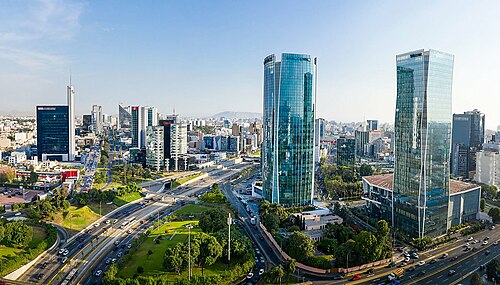
Lima, the capital city of Peru, is situated on the country’s central coast overlooking the Pacific Ocean. Founded by Spanish conquistador Francisco Pizarro on January 18, 1535, Lima served as the capital of the Viceroyalty of Peru and has remained a vital administrative and cultural center since then. The city boasts a population of approximately 10 million residents, making it not only the largest city in Peru but also one of the largest urban areas in South America. Lima's historical significance is underscored by its designation as a UNESCO World Heritage Site in 1988, recognizing its rich colonial architecture and the preservation of its historical centers.
Lima is divided into several districts, each with its unique character and attractions. The historic downtown area features a mix of colonial-era buildings, including the impressive Plaza Mayor, the Government Palace, and the Cathedral of Lima. The juxtaposition of modernity and tradition is evident in neighborhoods like Miraflores, known for its upscale shops, parks, and vibrant nightlife, as well as Barranco, recognized for its artistic vibe and bohemian atmosphere. Lima is also renowned for its culinary scene, often acclaimed as one of the gastronomic capitals of the world. The city offers a diverse array of food influenced by its indigenous roots as well as Spanish, African, and Asian immigrants, making it a hotspot for culinary tourism. Notable dishes include ceviche, lomo saltado, and anticuchos, showcasing the country's rich flavors and ingredients.
Economically, Lima is a major hub for finance, trade, and industry in Peru. It hosts numerous multinational companies and banking institutions and is home to a vibrant market economy. The city also grapples with challenges, including traffic congestion, pollution, and social inequality, amid its rapid urbanization. Despite these issues, Lima remains a city of contrasts, where ancient traditions coexist with modern advancements, making it a unique and compelling destination for tourists and residents alike. With its historical and cultural significance, culinary prowess, and dynamic urban life, Lima continues to play a pivotal role in shaping the narrative of Peru's identity on both national and global stages.
Facts about Lima
- Lima is the capital and largest city of Peru, founded by Spanish conquistador Francisco Pizarro in 1535.
- The city is known as the 'City of Kings' (Ciudad de los Reyes) due to the timing of its founding around the Feast of the Epiphany.
- Lima's historic center is a UNESCO World Heritage Site, recognized for its colonial architecture and important historical buildings like the Cathedral of Lima and the Government Palace.
- The city has the largest population in Peru, with over 10 million residents, making it one of the most populous cities in South America.
- Lima's gastronomy is world-renowned, boasting several restaurants listed among the best in the world, including Central, Maido, and Astrid y Gastón.
- The city is a hub for culture and the arts, hosting the largest national museum in the country, the Museo de la Nación.
- Lima is located in a desert region and is known for its mild climate despite its coastal location, with no significant rainfall during the summer.
- The city has a rich educational landscape, hosting several prestigious universities, including the Pontifical Catholic University of Peru and the National University of San Marcos.
- Lima hosts the annual Mistura food festival, which celebrates Peruvian cuisine and showcases the diversity of ingredients and dishes from all regions of the country.
- The Barranco district of Lima is well-known for its vibrant bohemian culture, artistic scene, and nightlife, distinguishing it from other neighborhoods in the city.