Limbach-Oberfrohna, Germany
- 23,711 people
- 13 places to visit
- 50.8576, 12.7537
Places to Visit (13)
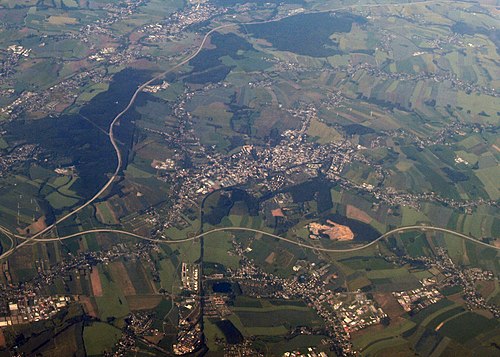
Limbach-Oberfrohna is a town in the state of Saxony, Germany, located in the district of Mittelsachsen. It lies approximately 15 kilometers northwest of Chemnitz and serves as a significant urban center in the region. The town was formed in 1914 through the merger of Limbach, a town with historical roots dating back to the late Middle Ages, and Oberfrohna, a smaller settlement that has developed alongside it. Limbach-Oberfrohna boasts a rich industrial history, particularly in textiles and machinery, which began in the 19th century and flourished throughout the 20th century. Today, the town continues to balance its industrial heritage with contemporary developments, making it a vital part of the local economy.
Limbach-Oberfrohna features various amenities and cultural sites, illustrating its commitment to community life and heritage. The town is home to several parks, recreational areas, and sports facilities, providing residents with opportunities for leisure and outdoor activities. Notable landmarks include the Evangelische Stadtkirche St. Afra, a Protestant church that highlights the architectural styles prevalent in the region. Cultural events and local festivals celebrate the town's traditions, fostering a sense of community among its approximately 20,000 inhabitants. The town's location offers residents easy access to public transportation and major roads, facilitating connections to larger cities nearby and enhancing its appeal for business and tourism. Overall, Limbach-Oberfrohna exemplifies the blend of history, culture, and modernity, making it an interesting destination within Saxony.
Facts about Limbach-Oberfrohna
- Limbach-Oberfrohna is known for its rich textile industry heritage, particularly in the manufacturing of fabrics and apparel, which dates back to the 19th century.
- The city is home to the historic 'Limbach-Oberfrohna Town Hall', a notable example of 19th-century architecture that reflects the city’s industrial prominence during that period.
- Limbach-Oberfrohna hosts the annual 'Spargel- und Heimatfest', a local asparagus and heritage festival, celebrating regional culture and culinary traditions.
- The city features the 'Oberfrohna Castle', a Renaissance-style castle that serves as a cultural venue and is surrounded by a scenic park, distinguishing it with its historical significance.
- Limbach-Oberfrohna is located in the Zschopau valley and is characterized by its picturesque landscapes, which offer numerous opportunities for outdoor recreation, setting it apart from other urban areas.
- The city has a strong emphasis on sports, particularly in handball and gymnastics, boasting several successful local clubs and cultivating a vibrant sports community.
- Limbach-Oberfrohna was one of the first cities in Germany to adopt electric lighting for its streets in the early 20th century, showcasing its progressive history in public infrastructure.
- The town has a network of well-preserved historical buildings and monuments, including the 'Glockenhaus', which houses a unique collection of bells that tells the history of the city’s bell-making trade.
- Limbach-Oberfrohna is part of the Chemnitz district, contributing to the region's reputation for engineering and technological innovation, which continues to be a focal point for local economic development.
- The city was significantly impacted by the political changes during the reunification of Germany, leading to various socioeconomic transformations that are still evident in its contemporary urban landscape.