Limerick, Ireland
- 94,192 people
- 17 places to visit
- 52.6638, -8.6267
Places to Visit (17)
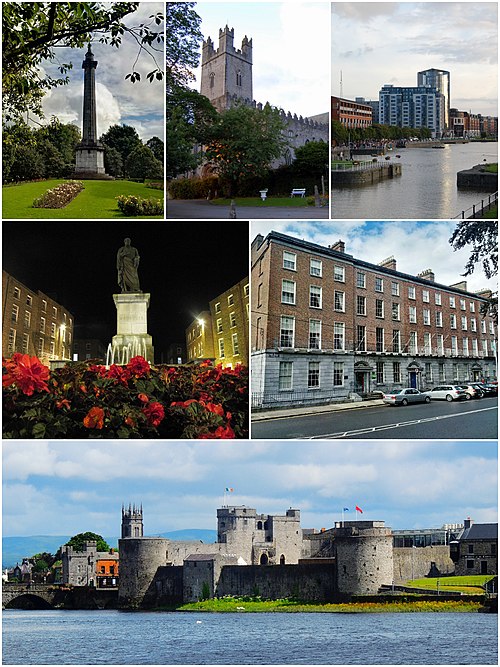
Limerick is a city located in the Mid-West region of Ireland, known for its rich history, vibrant culture, and significant role in the country’s economic landscape. Situated on the River Shannon, Limerick serves as the administrative center of County Limerick. Historically, it has been a notable urban center since the 12th century when a fort was established by the Anglo-Normans. The city's medieval past is still evident today, with landmarks such as King John’s Castle, built in 1200, and the 19th-century St. Mary’s Cathedral. The Treaty of Limerick, signed in 1691, was also a pivotal moment in Irish history, marking the end of the Williamite War in Ireland and leading to significant political and social changes.
In modern times, Limerick has evolved into a dynamic city with a diverse economy. It has established itself as a hub for technology, education, and healthcare, supported by institutions such as the University of Limerick and Limerick Institute of Technology. The city is also known for its cultural scene, hosting various festivals and events throughout the year, including the Limerick City of Culture in 2014, which showcased local arts and creativity. Limerick's sports scene is prominent, particularly in rugby, with the Limerick-based Munster Rugby team enjoying a passionate following. The city also boasts a number of parks, recreational areas, and riverside trails that enhance the quality of life for its residents and visitors alike, contributing to its reputation as an attractive place to live and work.
Facts about Limerick
- Limerick is home to King John's Castle, a 13th-century stronghold that offers panoramic views of the city and the River Shannon.
- The city is known for its literary heritage, being the birthplace of notable authors such as Frank McCourt, who wrote 'Angela's Ashes'.
- Limerick is the only city in Ireland with a UNESCO designation for its Georgian architecture, which can be observed in its well-preserved streets and squares.
- The Limerick Milk Market, established in 1852, is one of the oldest markets in Ireland and is renowned for its artisanal food offerings.
- Limerick holds the annual Woodcock Festival, which celebrates traditional Irish music, dance, and storytelling, making it a unique cultural event in the country.
- The Treaty Stone in Limerick marks the site where the Treaty of Limerick was signed in 1691, an important event in Irish history.
- Limerick's Thomond Park is not only home to Munster Rugby but is also one of the most iconic rugby stadiums in Europe.
- The city was a key location during the 1916 Easter Rising, with significant events and figures contributing to its involvement in Ireland's fight for independence.
- Limerick's rich culinary scene has been recognized with multiple Michelin-starred restaurants, showcasing its growing reputation as a food destination.
- The Limerick City Gallery of Art hosts various contemporary exhibitions and is the largest visual arts organization outside Dublin.