Limoges, France
- 141,176 people
- 11 places to visit
- 45.8336, 1.2611
Places to Visit (11)
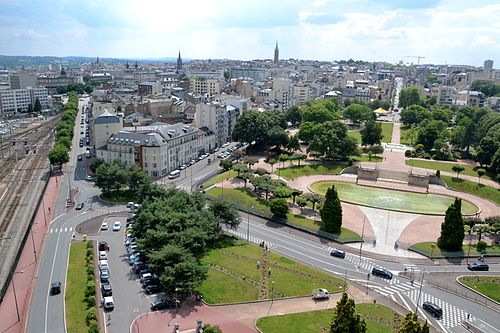
Limoges is a city located in the central part of France, serving as the prefecture of the Haute-Vienne department within the Nouvelle-Aquitaine region. Known for its rich history and cultural heritage, Limoges has a population of approximately 130,000 inhabitants. The city is situated on the banks of the Vienne River, which enhances its picturesque landscape. Limoges has deep historical roots that date back to Roman times when it was known as Augustoritum. The remnants of this era can still be seen in the form of ancient landmarks, such as the Roman amphitheater and various archaeological sites scattered throughout the city.
The city is renowned globally for its fine porcelain production, which began in the 18th century. Limoges porcelain became synonymous with exceptional quality, craftsmanship, and artistic design, making it a sought-after commodity. Several prestigious porcelain manufacturers continue to operate in the city, preserving traditional methods and pushing the bounds of innovation. In addition to its porcelain industry, Limoges boasts a vibrant cultural scene, featuring museums, galleries, and theaters that celebrate both historical and contemporary art. The Limoges Museum of Fine Arts houses an impressive collection, including works by renowned artists such as Monet and Delacroix.
Limoges is not only rich in artistic and industrial heritage but also offers a variety of architectural marvels. The Gothic-style Limoges Cathedral, known as Saint-Étienne Cathedral, is a standout landmark with stunning stained glass windows and intricate sculptures. The city also enjoys a reputation for its lush parks and gardens, providing green spaces for residents and visitors alike. Each year, Limoges hosts several cultural festivals and events that draw attention to its local traditions, including gastronomy, arts, and folklore. With its blend of historical significance and modern vibrancy, Limoges remains a captivating destination for those seeking to explore the heart of France.
Facts about Limoges
- Limoges is renowned for its high-quality porcelain, often referred to as 'Limoges porcelain,' which has been produced since the late 18th century and is considered some of the finest in the world.
- The city is home to the Limoges Cathedral, a stunning example of Gothic architecture, which features impressive stained glass windows and a unique blend of Romanesque and Gothic styles.
- Limoges has a rich history in enamel art, with the production of exquisite painted enamel pieces dating back to the 12th century, making it a center for this specialized craft.
- The city was a significant center for the French Resistance during World War II, playing a crucial role in protecting Jewish families and opposing Nazi occupation.
- Limoges hosts the annual 'Festival de la Porcelaine,' celebrating the city's centuries-old porcelain craftsmanship with exhibitions, workshops, and cultural events related to ceramic arts.
- The famous 'Limousin cattle,' known for their high-quality beef, originated in the Limousin region surrounding the city, contributing to France's agricultural heritage.
- Limoges is home to the 'Musée National Adrien Dubouché,' which houses one of the largest collections of Limoges porcelain in the world, along with other ceramics and glass art.
- The city has a unique culinary tradition, featuring dishes such as 'creusoise' and 'financier,' showcasing the local ingredients and culinary techniques from the region.
- Limoges served as a key stop for pilgrims on the Way of St. James to Santiago de Compostela, contributing to its historical significance as a pilgrimage center in medieval times.
- The Limoges airfield, established during World War I, played a pivotal role in aviation history and is now part of the larger Limoges International Airport, facilitating regional connectivity.