Linares, Spain
- 61,338 people
- 12 places to visit
- 38.0969, -3.637
Places to Visit (12)
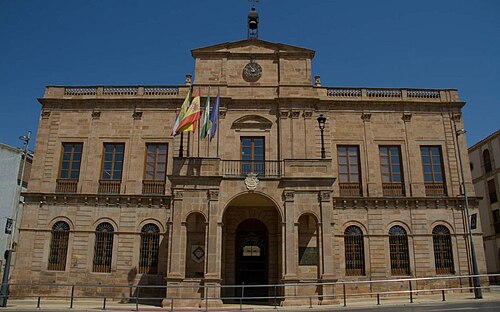
Linares is a city located in the province of Jaén, within the autonomous community of Andalusia, Spain. Situated at the foothills of the Sierra de Andújar, Linares has a rich history that dates back to Roman times, when it was known as "Ipolca." The city played a significant role during the industrial revolution in the 19th century, primarily due to its mineral wealth, particularly lead and silver, which attracted a number of mining companies and workers. The influx of people and resources led to rapid growth, transforming Linares into one of the most important industrial centers in southern Spain. The mining industry declined in the mid-20th century, leading to economic shifts; however, the city has adapted by diversifying its economy, with agriculture and services becoming prominent.
The city is characterized by its notable architecture, a blend of various styles that reflect its historical evolution. Among its landmarks is the neoclassical Plaza del Ayuntamiento, where the town hall resides, accompanied by other significant buildings such as the Church of Santa María and the bullring, which showcases Linares' rich cultural traditions, particularly in Andalusian folk festivities and flamenco music. Furthermore, Linares is renowned for its contributions to Spanish music and bullfighting, producing distinguished figures such as the bullfighter Manuel Rodríguez Sánchez, known as Manolete, who is one of the most celebrated matadors in España’s history.
Linares is also known for its culinary offerings, with an emphasis on traditional Andalusian cuisine. Olive oil production, particularly from the nearby olive groves of the Jaén region, contributes to local dishes, highlighting the cultural importance of gastronomy in the area. The city's strategic location allows easy access to nearby natural parks, including the Sierra de Andújar Natural Park, attracting outdoor enthusiasts and nature lovers. Linares continues to be a vibrant city, rich in history and culture, balancing its industrial past with a modern focus on community and sustainability.
Facts about Linares
- Linares is known for its rich mining history, particularly in silver and lead, which has played a crucial role in its economic development since the 19th century.
- The city is home to the famous 'Cruz de los Caídos', a striking monument erected to honor those who died during the Spanish Civil War, symbolizing its deep historical significance.
- Linares is recognized for its production of the locally famous 'Gurullos', a traditional dish made with pasta and typically served with rabbit or chicken, reflecting its unique culinary heritage.
- The birthplace of the renowned Spanish poet and playwright Antonio Gala, Linares holds cultural importance and hosts events celebrating his work and influence.
- Linares is also noted for its contributions to chess; it hosted the Linares chess tournament, which was one of the most prestigious chess events in the world during the 1980s and 1990s.
- The city is divided by the 'Río Guadianeja', providing picturesque natural landscapes and opportunities for outdoor activities, distinguishing it from more industrialized areas.
- Linares boasts an array of modernist architecture, particularly seen in buildings like the Gran Hotel and the Plaza de Toros, showcasing a blend of historical and contemporary design.
- In the late 19th and early 20th centuries, Linares became a cultural hub for Andalusian flamenco, influencing the style and development of this traditional music and dance.
- The local patron saint of Linares, 'Nuestra Señora de Linarejos', is celebrated with an annual festival that attracts visitors and showcases the city's festive spirit and community culture.
- Linares has a notable connection to the Spanish football legend, Rafael Márquez, who was born nearby, adding a modern sports dimension to its historical background.