Lincoln NE, United States
- 277,348 people
- 20 places to visit
- 40.8137, -96.7026
Places to Visit (20)
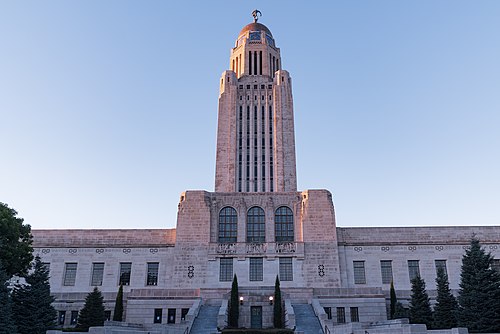
Lincoln, Nebraska, is the second-largest city in the state and serves as its capital. Located in the southeastern part of Nebraska, Lincoln is known for its vibrant cultural scene, educational institutions, and diverse economy. The city was founded in 1856, originally named "Blair," and later renamed Lincoln in honor of President Abraham Lincoln in 1867 when it became the state capital. As of the 2020 census, Lincoln had a population of approximately 291,000 residents, making it one of the fastest-growing cities in the Midwest.
The educational landscape in Lincoln is highlighted by the presence of the University of Nebraska-Lincoln (UNL), established in 1869. UNL significantly contributes to the city's economy and cultural vibrancy, offering a wide range of academic programs and hosting numerous events throughout the year. The university's research initiatives and its agricultural programs play a pivotal role in the state's economy. Additionally, Lincoln boasts a strong commitment to public education, with numerous public and private schools serving the community. The city is also home to various cultural institutions, including the Sheldon Museum of Art, the Nebraska State Capitol, and the Lincoln Children’s Museum, which offer residents and visitors a glimpse into the area's artistic and historical significance.
Economically, Lincoln benefits from a diverse base that includes government, education, healthcare, and technology sectors. The city's unemployment rate is consistently lower than the national average, thanks in part to the presence of major employers such as the State of Nebraska, UNL, and Bryan Health. Furthermore, Lincoln's cost of living is relatively affordable compared to other metropolitan areas in the United States, making it an attractive place for families and young professionals. With an abundance of parks, recreational facilities, and community events, Lincoln promotes a high quality of life for its residents. The city is known for its friendly atmosphere, which fosters strong community ties and engagement, making it an inviting place to live and work.
Facts about Lincoln
- Lincoln is the capital of Nebraska and the second-largest city in the state, known for its unique blend of modern city life and strong historical roots.
- The city is home to the University of Nebraska-Lincoln, which has a strong agricultural and engineering program and is a key contributor to the local economy and culture.
- Lincoln has a vibrant arts scene and is recognized for its outdoor sculptures and public art installations, particularly the 'SculptureWalk' program.
- The city is famous for the Nebraska State Capitol, which is distinctive for its towering, art-deco architecture and the unique ‘Stone of the State’ in the dome.
- Lincoln hosts the annual 'Lincoln National Guard Marathon,' which attracts runners from all over the country and celebrates both health and community spirit.
- The Haymarket District, a historic area in Lincoln, features a lively atmosphere with shops, restaurants, and farmers markets, serving as a hub for locals and visitors alike.
- Lincoln is often ranked as one of the best cities for business and living in the U.S., featuring a low cost of living and a high quality of life.
- The city has a rich history tied to the railroads and is known for the former Union Pacific Railway, which significantly contributed to its growth in the 19th century.
- Lincoln’s annual 'Jazz in June' festival showcases local and national jazz artists and draws large crowds, highlighting the city's commitment to music and culture.
- The city is recognized for its commitment to sustainability and green initiatives, including an extensive trail system and a focus on renewable energy programs.