Lingen, Germany
- 51,310 people
- 11 places to visit
- 52.5238, 7.317
Places to Visit (11)
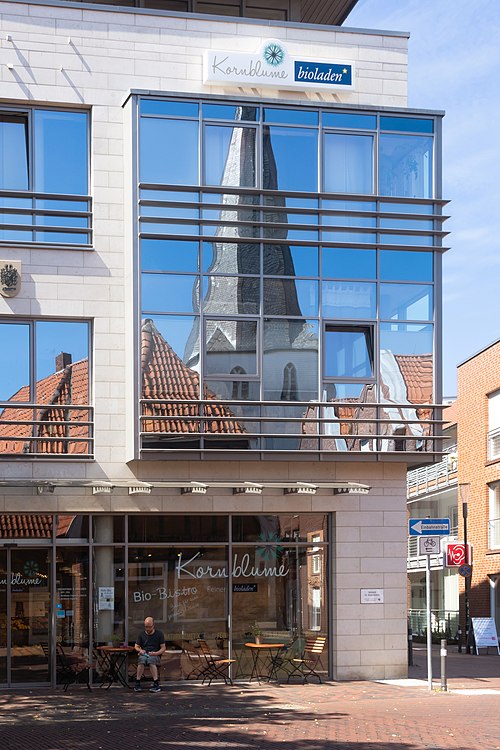
Lingen is a town located in the Emsland district of Lower Saxony, Germany. Situated near the Dutch border, it is strategically positioned along the banks of the River Ems, approximately 30 kilometers northeast of the city of Osnabrück. With a population of around 50,000 residents, Lingen serves as an economic and cultural hub for the surrounding rural areas. The town boasts a rich history that dates back to the early Middle Ages, evidenced by its well-preserved architecture, historical sites, and cultural landmarks. Notably, the St. Alexander Church, with its distinctive tower, and the historic town square are major attractions that reflect Lingen's medieval charm.
In addition to its historical significance, Lingen has a diverse economic base. The local economy is supported by sectors such as manufacturing, services, and increasingly, the energy industry. Lingen is home to the Emsland Power Plant, one of the region's largest coal-fired power facilities, which highlights the town's role in Germany's energy landscape. Lingen also emphasizes educational and cultural development, hosting various institutions, including vocational schools and a branch of the University of Osnabrück. The town features numerous parks and green spaces, enhancing the quality of life for its residents. Cultural events, such as the annual Lingen Festival, showcase local artists and attract visitors, fostering a strong sense of community. Lingen’s combination of historical depth, economic vitality, and cultural dynamism makes it an intriguing destination in Germany's Lower Saxony region.
Facts about Lingen
- Lingen is known for its historic Altstadt (Old Town), which features well-preserved medieval buildings and charming streets that reflect its rich history.
- The city hosts the annual Lingen Music Festival, drawing performers and audiences from across Europe, emphasizing its cultural significance in the region.
- Lingen has a unique geographical feature as it is situated at the confluence of the Ems and Dortmund-Ems Canal, making it an important hub for transportation and trade.
- The Lingen Power Plant is notable for being one of the largest natural gas-fired power plants in Germany, highlighting the city's role in sustainable energy production.
- Lingen is home to the Emsland Museum, which showcases the region's heritage, including exhibits on local agriculture, industry, and art, making it a cultural landmark.
- The city boasts the largest open-air stage in the Emsland district, which hosts various performances and events throughout the year, fostering a vibrant community atmosphere.
- Lingen was historically significant during World War II due to its strategic location and infrastructure, impacting the course of events in the region.
- The Lingen Steelworks, established in the 20th century, played a vital role in the city’s economy and industrial development, distinguishing it from other towns.
- Every year, Lingen celebrates the Memoria Festival, which commemorates historical events and promotes local culture through performances and educational activities.
- The city has a strong sports culture, being particularly known for its local football clubs and active community sports initiatives that engage residents of all ages.