Linz, Austria
- 204,846 people
- 16 places to visit
- 48.3069, 14.2859
Places to Visit (16)
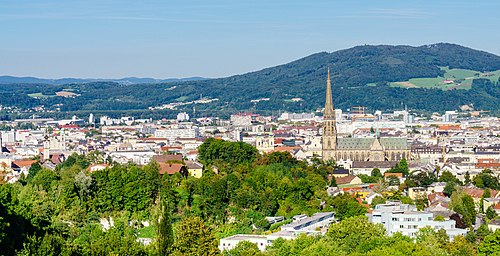
Linz, the capital of Upper Austria, is situated along the banks of the Danube River and is the third-largest city in Austria, following Vienna and Graz. With a population of approximately 205,000, it merges a rich historical heritage with contemporary urban development. The city's history dates back to Roman times when it was known as Lentia, serving as a vital trade and military location. Over the centuries, Linz has grown as a cultural hub, famous for its contributions to the arts and technology. It has been showcased as a European Capital of Culture in 2009, highlighting its vibrant cultural scene. Key landmarks include the baroque-style Linz Castle and the impressive New Cathedral, which is the largest church in Austria. The city also boasts numerous museums, such as the Lentos Art Museum, known for its modern and contemporary art collections, and the Ars Electronica Center, which focuses on media arts and new technologies.
In addition to its historical and cultural significance, Linz has embraced innovation and industry. It is home to various companies in sectors like steel production, machinery manufacturing, and information technology. The city serves as an important economic center and hosts a number of international businesses. Additionally, Linz is well-connected through its transportation infrastructure, making it a vital link in Austria's network. Its picturesque location along the Danube offers ample recreational opportunities, including cycling along the river and exploring the surrounding natural landscapes. Linz is also known for its commitment to sustainability and has implemented initiatives to enhance public transport and reduce emissions. Combining its historical roots with modern advancements, Linz presents a unique blend of tradition and progress, making it an intriguing destination for visitors and residents alike.
Facts about Linz
- Linz is the third-largest city in Austria, following Vienna and Graz, and serves as the capital of the Upper Austria region.
- The city is known for its unique Ars Electronica Center, a museum focusing on digital art and technology, promoting innovation and creativity.
- Linz has a rich industrial history, particularly in steel production, which played a significant role in its economic development during the 20th century.
- The city is famous for the Linzer Torte, a traditional Austrian pastry and one of the oldest known cakes in the world, dating back to the 17th century.
- In 2009, Linz was designated a European Capital of Culture, highlighting its vibrant art scene and cultural events.
- Linz is home to one of the largest modern arts festivals in Europe, the Ars Electronica Festival, which attracts artists and technologists from around the globe.
- The Lentos Art Museum in Linz features a stunning collection of modern and contemporary art, making it one of the most significant art venues in Austria.
- The city is situated on the banks of the Danube River, providing picturesque views and abundant opportunities for river-based activities.
- Linz is also known for its innovative approach to urban development, having initiatives focused on sustainability and quality of life for its residents.
- The Pöstlingberg, a local mountain, offers panoramic views of the city and features a popular pilgrimage church, making it a significant cultural and spiritual site.