Lipa City, Philippines
- 212,287 people
- 13.9419, 121.1644
No places available for this city.
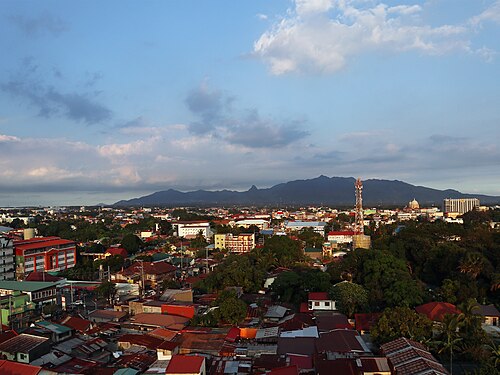
Lipa City, located in the province of Batangas in the Philippines, is a vibrant city known for its rich cultural heritage and significant historical importance. Situated approximately 70 kilometers south of Manila, Lipa serves as a key commercial and educational hub in the CALABARZON region. The city has a population of over 300,000 residents, making it one of the most populous cities in Batangas. Lipa is characterized by its lush landscapes, with a scenic backdrop of Mount Malarayat and numerous agricultural areas that support the local economy through coffee and coconut farming.
The history of Lipa City dates back to the Spanish colonial period, when it was established in 1578. The city played a significant role during the Philippine Revolution, serving as a center for revolutionary activities against Spanish rule. Lipa is also famous for its contributions to Philippine religious history, particularly with the apparition of the Blessed Virgin Mary in 1948, an event that led to the establishment of the Carmalite Monastery, attracting thousands of pilgrims and tourists each year. Today, Lipa City boasts several attractions, including the historical San Sebastian Cathedral, the picturesque Mount Malarayat Golf and Country Club, and the Lipa City Public Library.
As an emerging urban center, Lipa City has seen rapid economic growth and urbanization, leading to advances in infrastructure, healthcare, and education. It is home to various educational institutions, including the University of Batangas and San Sebastian College – Recoletos de Lipa, contributing to the city's youthful energy. The local government promotes tourism through its natural attractions and renowned dining options, showcasing local delicacies such as Lipa's famous coffee and “balisong” (butterfly knives). Lipa City continues to balance its historical roots with modern development, making it a unique destination rich in culture and progress.
Facts about Lipa City
- Lipa City is known as the 'Coffee Capital of the Philippines' due to its rich history of coffee farming, particularly the famous Liberica coffee bean.
- The city is home to the historic Jiloso Falls, a popular natural attraction that showcases the region's beautiful landscape.
- Lipa City played a significant role during the Philippine-American War, as it was the site of key battles and movements involving Filipino revolutionaries.
- The city is known for its unique religious heritage, highlighted by the San Sebastian Cathedral, which features a mix of Gothic and Romanesque architectural styles.
- Lipa City is the site of the Santuario de San Jose, a notable parish that was declared a diocesan shrine due to its important historical and religious significance.
- In 2015, Lipa City was recognized as one of the country's top 'Most Competitive Cities' in terms of economic dynamism, government efficiency, infrastructure, and resiliency.
- The Lipa City District Hospital, established in 1939, is known to be one of the oldest hospitals in the region, providing essential healthcare services to residents.
- Lipa is famous for its festivals, particularly the annual 'Lipa City Fiesta,' which celebrates the city's patron saint with various cultural performances and activities.
- The city is also recognized for its agricultural produce, with numerous farms showcasing organic farming practices and crops such as vegetables and fruits.
- Lipa City has several educational institutions, including the University of Batangas and the Lipa City Colleges, making it an educational hub in the region.