Lippstadt, Germany
- 67,219 people
- 7 places to visit
- 51.6712, 8.3406
Places to Visit (7)
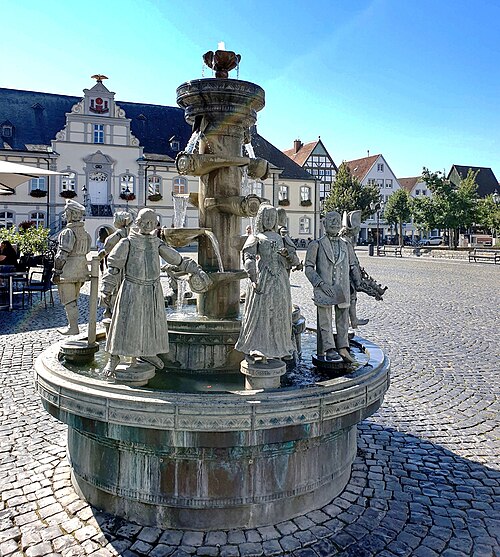
Lippstadt is a town in North Rhine-Westphalia, Germany, known for its picturesque landscapes and rich historical heritage. Located on the banks of the River Lippe, it lies approximately 20 kilometers northeast of Dortmund and serves as a central point in the surrounding region. The town was founded in the early 13th century, gaining its first mention in 1156. Lippstadt's development was significantly influenced by its strategic location along major trade routes, which facilitated economic growth and cultural exchange throughout the centuries. The architecture of Lippstadt reflects its medieval roots, with numerous half-timbered houses and historical buildings, including the St. Mary's Church, a prime example of Gothic architecture.
The population of Lippstadt is around 67,000 residents, making it one of the larger towns in the region. This vibrant community is known for its strong local economy, with a mix of traditional industries and modern enterprises, particularly in sectors like manufacturing, retail, and services. Lippstadt also boasts a fine array of parks and recreational areas, making it an attractive place for families and outdoor enthusiasts. The charm of the town is further enhanced by its numerous festivals and events held throughout the year, fostering community spirit and cultural richness.
Educational institutions, including schools and vocational training centers, contribute to the well-being of the town's youth, ensuring a skilled workforce for the future. Lippstadt's connectivity is bolstered by a well-developed transportation network, including rail and road links that facilitate easy access to larger urban centers. The town also nurtures a vibrant cultural scene with theaters, art galleries, and music events that reflect the diverse interests of its residents. All these elements combine to make Lippstadt not only a pleasant place to live but also a region steeped in history appealing to visitors exploring the heart of Germany.
Facts about Lippstadt
- Lippstadt is renowned for its unique network of canals, which is rare among German towns and gives it a distinct charm.
- The town's history dates back to the 12th century, making it one of the older settlements in the region of North Rhine-Westphalia.
- Lippstadt is often referred to as the "City of the Water" due to its numerous streams and rivers, which play a significant role in its landscape.
- The town's historic Old Town features over 100 half-timbered houses, showcasing typical Westphalian architectural styles.
- Lippstadt hosts the annual "Lippstadt Jazz Festival," which attracts musicians and jazz enthusiasts from across the country and beyond.
- In 2018, Lippstadt celebrated its 800th anniversary, marking eight centuries of history and community development.
- Lippstadt was an important center for weaving in the 18th century, contributing to the economic growth of the region during that time.
- The city is home to the famous St. Mary's Church, a notable example of Gothic architecture in the region, originally built in the 14th century.
- Lippstadt's location near the Teutoburg Forest offers residents and visitors easy access to outdoor activities, including hiking and cycling.
- The city is known for its vibrant cultural scene, with numerous galleries, theaters, and music venues enriching the community's artistic landscape.