Lira, Uganda
- 119,323 people
- 5 places to visit
- 2.2581, 32.8874
Places to Visit (5)
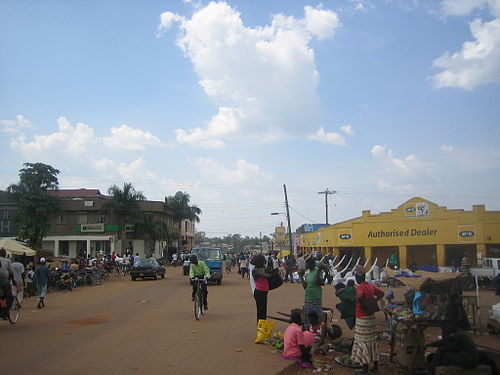
Lira is a prominent city located in northern Uganda, serving as the administrative and commercial hub of the Lira District. Situated approximately 340 kilometers north of Kampala, the capital city, Lira is strategically positioned at the intersection of key road networks, enhancing its connectivity to other regions of Uganda. The city has a population of around 100,000 residents, although the surrounding district has a much larger population that engages in various economic activities. The cultural heritage of Lira is rich, primarily influenced by the Alur and Lango ethnic groups, which have inhabited the area for generations. As a result, the city offers a vibrant mix of languages, traditions, and community practices, with Luo being the predominant language spoken by its residents.
Economically, Lira has experienced significant growth in recent years, driven by agriculture, trade, and services. The region is known for its agricultural productivity, with farmers cultivating crops such as cassava, millet, maize, and beans, which are vital for both subsistence and market purposes. The city also serves as a center for trade, where various goods, including textiles and consumer products, are exchanged in bustling markets. Additionally, Lira has made strides in infrastructure development, with improvements in roads, healthcare facilities, and education institutions. The presence of institutions like Lira University has contributed to the local economy and the development of human resources in the region. Despite the challenges posed by past conflicts and environmental issues, Lira continues to thrive, showcasing resilience and growth as it moves towards becoming a key player in Uganda's economy.
Facts about Lira
- Lira is known as the 'Heart of Lango' and serves as the commercial center for the Lango sub-region in northern Uganda.
- The city has a rich history related to the Ugandan civil conflict, serving as a refuge for many during the insurgency in northern Uganda.
- Lira's economy is predominantly based on agriculture, with maize, beans, and groundnuts being major crops produced in the surrounding areas.
- The Lira Town Council is one of the oldest in Uganda, having been established in 1948.
- Lira is home to the Lira Municipal Market, one of the largest markets in the region, known for its vibrant trade in agricultural produce and crafts.
- The city hosts several key landmarks, including the St. Augustine's College, which was pivotal in the education of many Ugandans in the north.
- Lira is famous for the annual Lira Cultural Festival, which celebrates the diverse cultural heritage of the Lango people and other communities in the region.
- The city has a significant population of Acholi and Lango people, known for their unique traditional music and dance, particularly the 'Lango Dance'.
- Lira is strategically located at the junction of key transport routes connecting northeastern Uganda to central and southwestern Uganda.
- Notably, Lira is an emerging educational hub, home to several institutions of higher learning, such as the Lira University, which focuses on health sciences and education.