Lisbon, Portugal
- 517,802 people
- 16 places to visit
- 38.7223, -9.1393
Places to Visit (16)
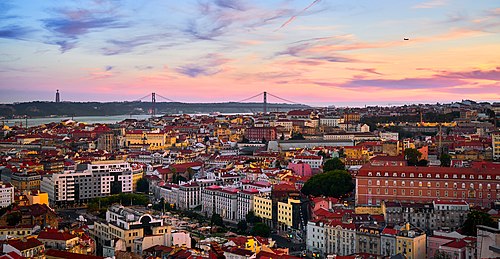
Lisbon, the capital and largest city of Portugal, is renowned for its rich history, stunning architecture, and vibrant cultural scene. Situated along the western coast of the Iberian Peninsula, it overlooks the Atlantic Ocean and is built on a series of hills that offer panoramic views of the Tejo River. With a population of approximately 550,000 within its city limits, and over 2.8 million in its metropolitan area, Lisbon stands as one of the most significant urban centers in Southern Europe. The city has a history that stretches back over 3,000 years, with influences from several civilizations, including the Phoenicians, Romans, and Moors, which are reflected in its diverse architectural styles ranging from Gothic and Manueline to Neoclassical and modern designs.
Lisbon's neighborhoods, each with its own unique charm, contribute to the city's allure. The historic Alfama district, characterized by narrow, winding streets and traditional Fado music, contrasts with the sophisticated avenues of Chiado and the vibrant nightlife of Bairro Alto. The Belém district houses iconic monuments such as the Jerónimos Monastery and the Belém Tower, both UNESCO World Heritage Sites, showcasing Portugal’s Age of Discovery. The city's commitment to arts and culture can be seen in its numerous museums, such as the National Museum of Ancient Art and the Calouste Gulbenkian Museum, which house significant collections of both Portuguese and international art. Lisbon also embraces modernity, as seen in the Parque das Nações, a revitalized waterfront area that hosted the Expo 98, featuring contemporary architecture and attractions like the Oceanário de Lisboa, one of the largest aquariums in Europe.
Transport in Lisbon is facilitated through an extensive network of trams, buses, and trains, with the historic yellow trams being a notable tourist attraction. The city's food scene is vibrant, with local specialties like bacalhau (salted cod) and pastéis de nata (custard tarts) appealing to both residents and visitors. Lisbon's climate is characterized by mild, wet winters and warm, dry summers, making it an attractive destination year-round. The city has undergone significant revitalization and modernization in recent decades, contributing to its growing popularity as a tourist hotspot. Today, Lisbon is not only a symbol of Portuguese heritage but also a dynamic cultural hub that continues to evolve while preserving its unique charm and historical significance.
Facts about Lisbon
- Lisbon is the oldest city in Western Europe, predating London, Paris, and Rome with roots that date back over 3,000 years.
- The city is famous for its unique tram system, especially Tram 28, which offers a scenic route through many of Lisbon's historic neighborhoods.
- Lisbon is home to the tallest natural rocky cliffs in Europe, known as the Arrábida Natural Park, providing stunning coastal views.
- The Belém Tower, a UNESCO World Heritage site, was built in the early 16th century and served as a defense mechanism during the Age of Discovery.
- The city is known for its vibrant Fado music, a unique genre that expresses the Portuguese concept of 'saudade' (a deep emotional state of nostalgic longing).
- Lisbon hosts the world's largest collection of Manueline architectural style, particularly highlighted in the Jerónimos Monastery, also a UNESCO World Heritage site.
- The historic district of Alfama is the oldest in Lisbon and is home to the São Jorge Castle, which offers panoramic views of the city.
- Lisbon was the first European city to have a dedicated underground metro system, established in 1959, and it now has four lines serving the city.
- The city has a unique range of azulejos (decorative ceramic tiles) that adorn many buildings, contributing to its distinctive urban aesthetic.
- Every year, Lisbon celebrates the Festas de Lisboa, a month-long festival featuring music, street parties, and the popular Santo António street celebrations.