Lisburn, United Kingdom
- 77,506 people
- 11 places to visit
- 54.5162, -6.058
Places to Visit (11)
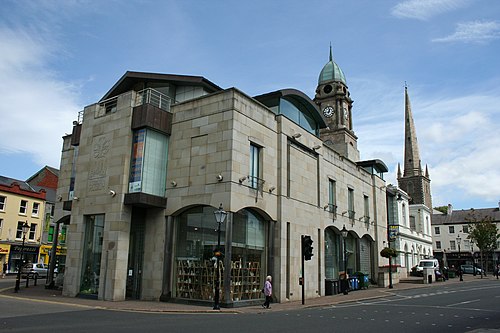
Lisburn is a city located in Northern Ireland, approximately eight miles southwest of Belfast. It is part of the Lisburn and Castlereagh City Council area and is situated within the historic county of Antrim. The city's origins date back to the early 17th century, making it one of the newer urban areas in Northern Ireland. Lisburn grew significantly during the Industrial Revolution, particularly as a center for textile manufacturing and linen production, earning a reputation as "the Linen City." Although the textile industry has declined in modern times, Lisburn has diversified its economy with retail, education, and various service industries becoming increasingly important.
The city features a mixture of historical and modern architecture, with notable landmarks including the Lisburn Cathedral, built in the 19th century, which serves as a focal point for the community. The castle, now known as the Lisburn Museum, reflects the city's rich history and offers insights into its development over the centuries. Lisburn also benefits from several parks and green spaces, such as Wallace Park, providing recreational opportunities for residents and visitors. The city has well-connected transport links, including road and rail services, facilitating easy access to Belfast and other surrounding areas, making it a desirable location for commuters. Cultural events and festivals are regularly held in Lisburn, fostering community spirit and celebrating its heritage, while the presence of educational institutions, such as the South Eastern Regional College, supports lifelong learning and skill development in the region.
Facts about Lisburn
- Lisburn is known for its historic linen industry, which flourished in the 19th century and established the town as a center for linen production.
- The city is home to the oldest intact watermill in Northern Ireland, the Lisburn Watermill, which dates back to the 18th century.
- Lisburn's City Hall, opened in 1965, is an example of modernist architecture and features a unique clock tower that stands out in the city skyline.
- During the Troubles, Lisburn was known as a significant site of conflict, with numerous incidents occurring throughout the city.
- The annual Lisburn Harmony Community Festival celebrates cultural diversity and showcases the city’s commitment to community cohesion.
- Lisburn is often referred to as the 'City of the Linen' due to its rich history in textile manufacturing, particularly cotton and linen.
- The city is also home to the impressive Irish Living History Museum, showcasing the region's historical development from ancient times to modern day.
- Lisburn's proximity to Belfast makes it a key commuter town, with strong transport links enhancing its development as a residential area.
- Lagan Valley, located near Lisburn, is recognized as a UNESCO World Heritage Site for its natural beauty and biodiversity.
- Lisburn boasts a variety of outdoor parks and leisure facilities, including Wallace Park, which is known for its beautiful gardens and recreational options.