Lishui, China
- 451,418 people
- 3 places to visit
- 28.4672, 119.9229
Places to Visit (3)
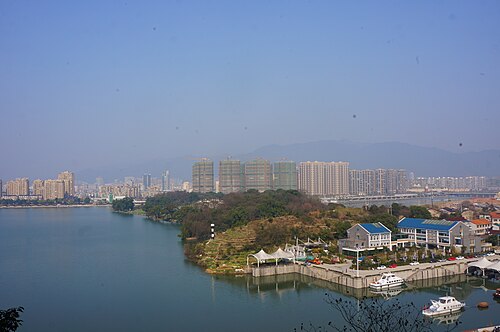
Lishui is a vibrant city located in the southern part of Zhejiang province, China. Founded in the early days of the Eastern Han Dynasty, Lishui has a rich historical heritage intertwined with its natural beauty, characterized by lush mountains and clear rivers. The city is strategically positioned at the junction of important transportation routes, making it a vital link between the coastal areas and the interior regions of Zhejiang. Lishui covers an area of approximately 17,400 square kilometers and is home to around 2.5 million inhabitants. The region enjoys a humid subtropical climate, featuring four distinct seasons, which contributes to its diverse ecosystem and agricultural productivity.
Economically, Lishui is known for its robust industry and agricultural sector. The city's economy is diverse, with significant contributions from manufacturing, textiles, and handicrafts, particularly in bamboo, which is harvested from the region’s abundant forests. Additionally, Lishui is recognized for its tea production, especially the well-regarded Lishui green tea, which has gained popularity both domestically and internationally. The local government has also fostered the development of ecotourism, taking advantage of the area's picturesque landscapes, including the famous Lishui River and various national parks that attract visitors looking for outdoor recreation. Cultural attractions abound, ranging from traditional architecture to festivals celebrating local customs, reflecting the city's rich cultural tapestry.
In summary, Lishui stands out as a city that successfully merges economic development with environmental conservation and cultural preservation. Its commitment to sustainable growth and its picturesque landscapes offer a unique glimpse into the harmony between human activity and nature. As Lishui continues to evolve, it serves as a model for other cities in China striving to balance modernization with heritage and ecological integrity.
Facts about Lishui
- Lishui is known as the 'City of Water' due to its numerous rivers and scenic landscapes, making it a popular destination for eco-tourism.
- The city is home to one of the largest ancient tea tree forest in the world, specifically in the nearby Wuyi Mountains, which plays a critical role in China's tea culture.
- Lishui has a distinct culture of paper cutting, recognized by UNESCO as part of the world's intangible cultural heritage.
- The city hosts the annual Lishui Photography Festival, attracting photographers from around the world, showcasing its natural beauty and cultural significance.
- Lishui is famous for the Lishui Calligraphy and Painting Academy, which promotes traditional Chinese arts and aims to preserve regional artistic heritage.
- The Lishui Xiangshan Scenic Area features unique karst landscapes and rich biodiversity, setting it apart from more urbanized areas of China.
- It is considered one of the first areas to implement ecological preservation policies in China, leading to successful environmental recovery initiatives.
- Lishui has a rich historical legacy, with its roots tracing back over 2,000 years and being an important stop on the ancient Silk Road.
- The city's unique geography has contributed to the development of various local cuisines, particularly those featuring fresh river fish and mountain herbs.
- Lishui has been recognized for its commitment to sustainable urban development, often being highlighted as a model for green city planning in China.