Lisieux, France
- 24,473 people
- 9 places to visit
- 49.1459, 0.2278
Places to Visit (9)
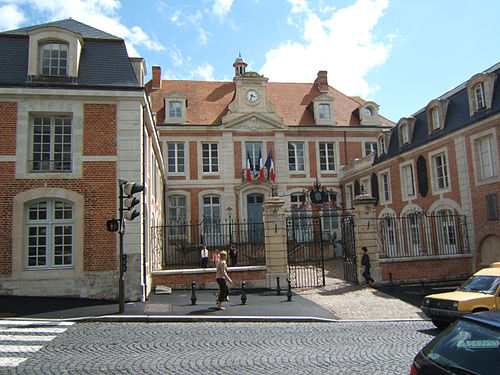
Lisieux is a picturesque city located in the Calvados department of the Normandy region in northwestern France. Nestled about 30 kilometers southeast of Caen, it is known for its rich history, cultural heritage, and beautiful architecture. With a population of approximately 20,000, Lisieux serves as an important commercial and administrative center for the surrounding area. The city boasts a temperate maritime climate, characterized by mild winters and warm summers, making it an attractive destination for both residents and tourists.
Historically, Lisieux has roots that date back to ancient Roman times when it was known as Juliobona. The city played a significant role during the Middle Ages and became a prominent religious center, particularly because of its association with Saint Thérèse of Lisieux, a renowned Carmelite nun and a Doctor of the Church. Her childhood home and the Basilica of Saint Thérèse, a large church built in her honor, draw thousands of pilgrims and visitors annually. The basilica, completed in 1937, showcases an impressive blend of art deco and Romanesque architectural styles, featuring stunning mosaics and stained glass that depict her life and spiritual journey.
In addition to its religious significance, Lisieux is dotted with historical landmarks that reflect its medieval past. The Saint-Pierre Cathedral, originally constructed in the 13th century, is noted for its intricate timber-framed façade and beautiful interior. The city is also a gateway to the picturesque Normandy countryside, which includes lush farmland and stretches of scenic coastline. Visitors can explore nearby attractions such as the historic town of Honfleur, the D-Day beaches, and the majestic cliffs of Étretat. Overall, Lisieux is a city that offers a unique blend of history, spirituality, and natural beauty, making it an enriching destination for those who venture into the heart of Normandy.
Facts about Lisieux
- Lisieux is known as the hometown of Saint Thérèse of Lisieux, one of the most popular saints in the Catholic Church, whose life and writings have inspired millions.
- The Basilica of Saint Thérèse, completed in the early 20th century, is a magnificent pilgrimage site and one of the largest Romanesque and Byzantine style churches in France.
- Unlike many other French towns, Lisieux was heavily bombed during World War II, resulting in the destruction of much of its historical architecture, leading to a unique post-war reconstruction style.
- Lisieux's historical roots date back to Roman times, and it was known as 'Juliobona' during this period, making it a site of significant archaeological interest.
- The town is located in the Calvados department in Normandy, known for its rich agricultural land, particularly in apple production for cider, distinguishing it from other regions.
- The city hosts the annual Sainte-Thérèse Festival, attracting thousands of pilgrims and tourists who come to celebrate the saint's life and legacy.
- Lisieux has a quaint medieval charm, with the Vieux Lisieux area featuring timber-framed houses that reflect the traditional architecture of Normandy.
- The city is surrounded by picturesque countryside and is situated near the scenic Pays d'Auge region, known for its rolling hills and beautiful landscapes.
- Lisieux played a significant role in the French Revolution as a center for the revolutionary fervor in Normandy, marking its importance in political history.
- The local gastronomy includes unique Normand specialties, such as calvados (apple brandy), and camembert cheese, which set it apart from other culinary regions in France.