Little Rock AR, United States
- 197,992 people
- 17 places to visit
- 34.7445, -92.288
Places to Visit (17)
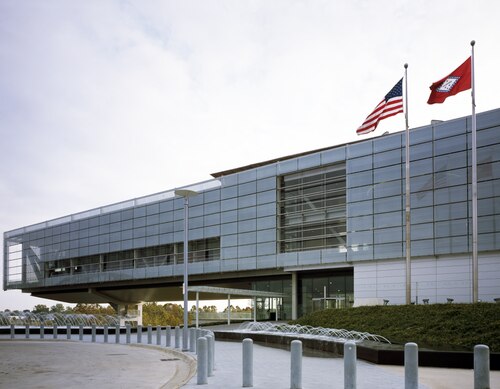
Little Rock, the capital and largest city of Arkansas, is nestled in the central part of the state along the banks of the Arkansas River. Founded in 1821, the city was named after a small rock formation on the riverbank, known as "La Petite Roche," which served as a landmark for river travelers. With a population of approximately 200,000 residents, Little Rock serves as the political, cultural, and economic hub of Arkansas. It boasts a diverse demographic, with a mix of African American, Caucasian, Hispanic, and Asian communities contributing to its rich cultural tapestry. As a regional center, Little Rock attracts visitors and residents alike with its warm Southern hospitality and vibrant local scene.
Economically, Little Rock has diverse sectors, including government, healthcare, education, and manufacturing. The city is home to major corporations, such as Dillard's and Walmart's corporate offices, which provide numerous employment opportunities. Little Rock is also recognized for its higher education institutions, including the University of Arkansas at Little Rock, which contributes to research and innovation in the region. Culturally, the city offers a wealth of attractions, including historical sites such as the Arkansas State Capitol, the Old State House Museum, and the National Historic Site at Little Rock Central High School, where pivotal events in the American civil rights movement took place. With its blend of history, culture, and economic potential, Little Rock stands out as a dynamic city that reflects the overall spirit and progress of Arkansas.
Recreational opportunities abound in Little Rock with over 60 parks and numerous outdoor spaces contributing to the city's quality of life. The River Market District, famous for its vibrant atmosphere, local shops, and farmer's market, fosters a sense of community and celebration of local culture. Additionally, the city’s interconnected trail system invites outdoor enthusiasts to partake in biking, walking, and running, all while enjoying the scenic views of the Arkansas River. With a mix of modern amenities and historical significance, Little Rock provides a unique blend of Southern charm and urban development, making it an attractive destination for both residents and visitors.
Facts about Little Rock
- Little Rock is home to the Little Rock Central High School, a National Historic Site known for its role in the desegregation of schools during the Civil Rights Movement.
- The city was named after a rock formation along the Arkansas River that was used as a landmark by early settlers and travelers, known as 'La Petite Roche'.
- Little Rock is the state capital of Arkansas and serves as a cultural, political, and economic hub for the state.
- The William J. Clinton Presidential Library and Museum is located in Little Rock, making it a significant site for presidential history and political archives.
- Little Rock has the only federally recognized Cherokee Nation in Arkansas and hosts a vibrant Native American heritage.
- The city is home to the Arkansas Arts Center, which houses an impressive collection of artworks and hosts annual art festivals, distinguishing it as a cultural center in the region.
- Little Rock is known for its beautiful parks, including Riverfront Park, which features trails, art installations, and a stunning view of the Arkansas River.
- In 1957, Little Rock was the site of the Little Rock Nine, where nine African American students enrolled at Central High School under federal protection, marking a pivotal moment in American history.
- Little Rock hosts the annual Little Rock Marathon, which attracts thousands of participants from across the country and boosts local tourism.
- The city is located near the Ozark Mountains, offering easy access to outdoor activities such as hiking, fishing, and camping, making it unique compared to many urban areas.