Livonia MI, United States
- 94,635 people
- 15 places to visit
- 42.3684, -83.3527
Places to Visit (15)
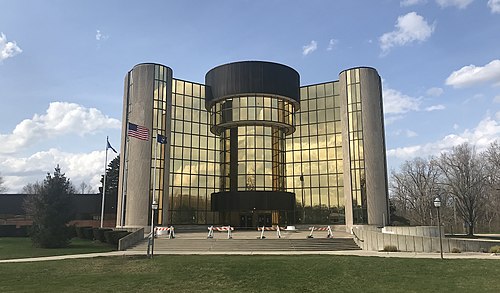
Livonia, Michigan, is a prominent city located in Wayne County, situated approximately 20 miles northwest of Detroit. With a population of around 94,000 residents as of the 2020 census, Livonia is one of the largest suburbs in the Detroit metropolitan area. The city was officially incorporated in 1950, though its history extends back to the early 19th century when settlers recognized the area's agricultural potential. Livonia's name is derived from a region in Latvia, reflecting the European heritage of many of its early inhabitants. The city is characterized by its strong suburban feel, extensive parks, and numerous recreational facilities, making it an attractive destination for families and professionals alike.
Livonia is well-known for its well-planned infrastructure and community-oriented services. The city boasts an extensive park system with over 1,000 acres of public parks, including access to sports complexes, nature trails, and community events. Educationally, Livonia is served primarily by Livonia Public Schools, which offers a robust curriculum and is known for its commitment to academic excellence. Additionally, the city is home to several private educational institutions and is in close proximity to institutions of higher learning, such as Madonna University. The economy of Livonia is diverse, with a mix of manufacturing, retail, healthcare, and service industries. The city has also benefited from its proximity to Detroit, which offers additional employment opportunities in various sectors.
Livonia is noted for its vibrant community life, which includes numerous civic organizations and events that foster a sense of togetherness among residents. The city's Parks and Recreation Department hosts annual festivals, seasonal fairs, and sports leagues, enhancing community engagement. Livonia's strategic location along major highways offers easy access to the broader region, contributing to its reputation as a desirable place to live and work. The city’s commitment to preserving its suburban character while promoting growth has made it a significant part of the Greater Detroit area, attracting new residents and businesses alike. With its blend of community spirit, educational opportunities, and economic vitality, Livonia continues to thrive as a quintessential American suburb.
Facts about Livonia
- Livonia is one of the largest suburbs of Detroit, Michigan, and is known for its significant population density, with over 94,000 residents as of the 2020 census.
- The city was officially incorporated in 1950, but it has roots dating back to 1835, making it a historically rich area with deep connections to early American settlement.
- Livonia is unique for having a sizeable amount of parks and recreational facilities, boasting over 1,000 acres of parkland and numerous trails for residents to enjoy.
- The Livonia Public Schools district is one of the highest-rated school districts in Michigan, often recognized for its excellence in education and student performance.
- As part of Michigan's 'Suburban Detroit' area, Livonia is known for its strong community spirit and diverse population, which contributes to its cultural vibrancy.
- The city has a notable history in the automotive industry, with several major companies having facilities in or near Livonia, thus making it an important location within the automotive supply chain.
- The Livonia Civic Center is home to the city's government offices and hosts a range of community events, showcasing the civic pride and community engagement of the residents.
- Livonia is home to the Laurel Park Place, a shopping mall that features a unique mix of popular retail stores, dining options, and entertainment venues not commonly found in other Detroit suburbs.
- The city has been recognized for its efforts in urban planning and sustainability, including the development and maintenance of green spaces and environmentally-friendly initiatives.
- Livonia hosts an annual 'Livonia Spree' festival, which celebrates local culture and community spirit through food, entertainment, and activities, differentiating it from other suburban events.