Livorno, Italy
- 157,017 people
- 17 places to visit
- 43.5485, 10.3106
Places to Visit (17)
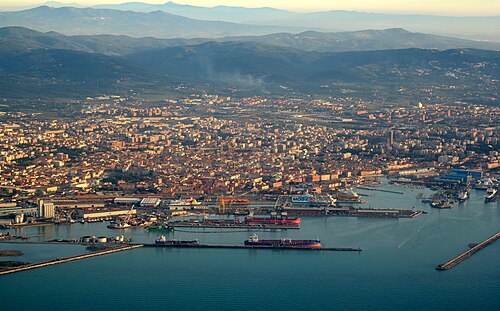
Livorno is a historically significant port city located on the western coast of Italy, within the region of Tuscany. It is positioned along the Ligurian Sea and serves as the capital of the province of Livorno. The city has a rich maritime history, dating back to the Renaissance when it was established as a port by the Medici family in the late 16th century. Livorno played a crucial role as a trading hub and was acknowledged for its welcoming policies towards various cultures, particularly attracting merchants and immigrants, including Jews and Greeks. This multicultural influence is still evident in the city's architecture, cuisine, and traditions.
Known for its distinctive canal system, which was inspired by the Venetian model, Livorno is often referred to as the "Little Venice" of Italy. The city features a variety of historical neighborhoods, including the picturesque Tre Ponti and the bustling area surrounding the Old Fortress, which visually represents Livorno's military and economic past. Livorno’s waterfront, characterized by a promenade lined with lively cafés and shops, offers panoramic views of the sea and the colorful fishing boats at the harbor. Moreover, Livorno’s culinary scene is renowned, particularly for its seafood dishes, such as cacciucco, a traditional fish stew that reflects the city's maritime heritage.
In contemporary times, Livorno remains an important commercial port and an entry point for travelers heading towards Tuscany’s scenic coastal areas, such as the Elba Island and other nearby tourist destinations. The city also hosts various cultural festivals and events that showcase its artistic and historical significance, including the annual "Effetto Venezia," a celebration of art, music, and food that takes place in the summer. With its unique blend of history, culture, and scenic beauty, Livorno continues to attract visitors who are eager to explore its rich heritage and vibrant coastal life.
Facts about Livorno
- Livorno was founded in the late 16th century by the Grand Duchy of Tuscany, making it a relatively young city compared to other Italian cities that have ancient origins.
- The city is known for its unique architecture, including the 'Fortezza Nuova' and the 'Fortezza Vecchia', which showcase the defensive structures common in Renaissance fortification.
- Livorno has a strong multicultural background due to its role as a significant port city, attracting merchants and communities from around the world, including the Jewish community and the Dutch.
- The Livorno Canals were inspired by the Dutch canal systems and are a distinctive feature of the city's layout, often referred to as the 'Little Venice' of Tuscany.
- Livorno hosts the annual 'Festival della Vita', which celebrates the city's rich heritage, culture, and tradition with various events, including music, food, and art.
- The city is recognized for its seafood cuisine, particularly the traditional dish 'Cacciucco', a hearty fish stew that exemplifies the local maritime culture.
- Livorno is home to the largest naval base in Italy, highlighting its historical significance in maritime activities and naval warfare.
- Unlike many other Italian cities, Livorno promotes a spirit of tolerance, illustrated by its history of welcoming different religious communities, including a historical synagogue.
- The city's picturesque promenade along the 'Terrazza Mascagni' offers stunning views of the Mediterranean Sea and serves as a popular gathering place for locals and tourists alike.
- Livorno's vibrant street art scene sets it apart from many other cities in Italy, with numerous murals and installations that reflect the city's dynamic cultural expression.