Lobito, Angola
- 357,950 people
- -12.3757, 13.561
No places available for this city.
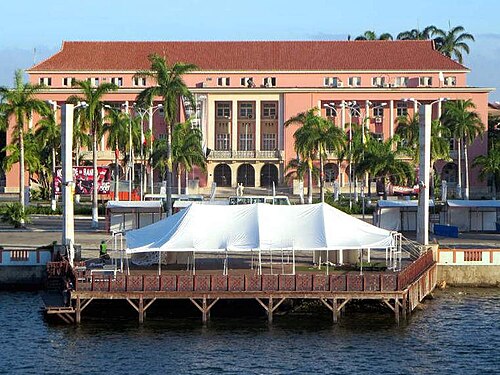
Lobito is a coastal city located in the Benguela province of Angola, situated along the Atlantic Ocean. Known for its beautiful beaches and warm climate, Lobito was originally established as a port town in the late 19th century and has since developed into one of Angola's crucial commercial and industrial hubs. The city's strategic location, about 400 kilometers south of Luanda, the capital of Angola, has contributed to its economic significance, particularly in shipping and fishing activities. The Lobito Bay is one of the largest natural harbors in Africa, attracting various maritime activities and facilitating trade routes for the region.
The city's infrastructure includes the Lobito Railway, which connects it to the inland regions and facilitates the transport of goods to and from the mineral-rich areas of Angola, including copper and diamonds. Lobito's economy is diversified, with sectors such as fishing, agriculture, and tourism playing vital roles. The city's cultural landscape reflects a blend of indigenous Angolan traditions and colonial Portuguese influences, visible in its architecture, cuisine, and annual festivals. In recent years, Lobito has experienced significant urbanization and development, driven by both local investments and foreign aid, contributing to improvements in infrastructure and public services.
As Lobito continues to grow, challenges such as urbanization, environmental concerns, and the need for sustainable development remain. The city’s government and local organizations are focused on addressing these issues while promoting economic growth and enhancing the quality of life for its residents. Overall, Lobito stands as a testament to Angola’s resilience and potential, showcasing the nation's journey towards modernization in a post-conflict era. The city's picturesque landscape and rich cultural heritage make it not only a vital economic center but also an attractive destination for tourism and exploration.
Facts about Lobito
- Lobito is known for its deep-water port, which is one of the largest in Angola and serves as a crucial maritime hub for trade and transportation in the region.
- The city has picturesque beaches along the Atlantic coast, making it a popular destination for both locals and tourists seeking sun, sand, and surf.
- Lobito was established in the early 20th century as a railway terminus for the Benguela Railway, which connects Angola to the Democratic Republic of the Congo.
- The city hosts the Lobito Carnival, an annual event celebrated with parades, music, and traditional dances that showcase the rich cultural heritage of the region.
- Lobito is home to the picturesque Lagoa do Ngunga, a lagoon that is notable for its biodiversity and serves as an important ecological site.
- The city's architecture features a blend of Portuguese colonial styles and modern buildings, reflecting its historical significance as a former Portuguese colony.
- Lobito played a strategic role during the Angolan Civil War as a transit point for military supplies and personnel due to its port facilities.
- The Lobito region is known for its fishing industry, with many local communities relying on fishing as a primary source of income and sustenance.
- The city has a vibrant arts scene, often highlighting local crafts and traditional Angolan music, contributing to the cultural diversity of the nation.
- Lobito is located near the cliffs known as the 'Cliff of Lobito', which provides stunning panoramic views of the ocean and is a popular spot for photography.