Lockport IL, United States
- 25,175 people
- 41.5895, -88.0578
No places available for this city.
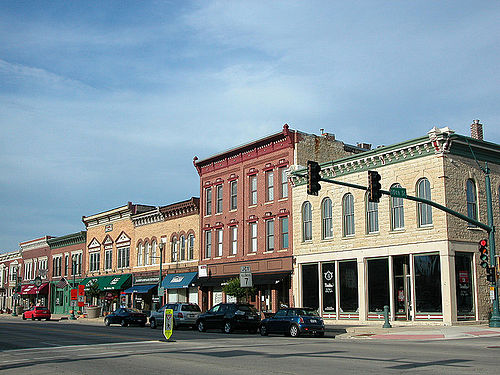
Lockport is a city located in Will County, Illinois, approximately 30 miles southwest of downtown Chicago. It is part of the Chicago metropolitan area and has a rich history centered around its strategic position along the swiftly flowing Des Plaines River. Founded in the early 19th century, Lockport emerged as a key site during the construction of the Illinois and Michigan Canal, which was completed in 1848. The canal served as a critical waterway connecting the Great Lakes to the Mississippi River, facilitating trade and transportation for a burgeoning agricultural and industrial economy in the region. The city's name derives from the numerous locks that were installed along the canal to manage the river's elevation changes.
Today, Lockport boasts a population of approximately 25,000 residents, reflecting a blend of suburban development while maintaining its historical charm. The city features a diverse array of housing options, parks, and recreational facilities, making it an attractive place for families and individuals. Lockport is known for its walkable downtown area, which houses various restaurants, shops, and cultural attractions. The city also invests in preserving its historical architecture, with the prominent Lockport Township Building and the historic I&M Canal area designated as landmarks. Moreover, Lockport's convenient access to major highways and proximity to Chicago enhances its appeal as a commuter town, encouraging growth and economic development.
Lockport is also home to several educational institutions, including the local schools operated by the Lockport Township High School District and other elementary districts. Community events and festivals are a staple of life in Lockport, fostering a strong sense of local identity and engagement among residents. Additionally, the city promotes historical education through initiatives such as local museums and guided tours, allowing visitors and residents alike to appreciate Lockport's rich legacy. With its combination of historical significance, community spirit, and modern amenities, Lockport continues to thrive as a vibrant city within the greater Chicago area.
Facts about Lockport
- Lockport, Illinois, is known for its historical significance as a central point in the construction of the Illinois and Michigan Canal, which was completed in 1848 and helped connect the Great Lakes to the Mississippi River.
- The city was named after the series of locks on the canal that enabled boats to navigate the varying elevations between the Chicago River and the Illinois River.
- Lockport is home to the historic Lockport Prairie Nature Preserve, which features diverse habitats and is a key location for various native plant species and wildlife.
- The city features the Lockport Cave and Machine Shop, an attraction that allows visitors to explore part of the underground portions of the canal, showcasing its engineering marvels.
- Lockport has a unique set of historic buildings known as the 'Lockport Historic District,' which was listed on the National Register of Historic Places, highlighting its rich architectural heritage.
- The annual 'Lockport Children's Historical Museum' event allows children to engage with historical themes, making history interactive and accessible to younger generations.
- Lockport holds a deep-rooted tradition in the arts, particularly through the Lockport Art Gallery, which exhibits local artists and fosters community engagement through art.
- The city has a notable connection to the film industry, as it was used as a location for the film 'The Blue Hour,' showcasing its picturesque landscapes and historic structures.
- Lockport is famous for its annual 'Lockport Riverwalk' event, which celebrates community arts, local vendors, and the scenic beauty of the Des Plaines River.
- The city is also known for its strong emphasis on community development and sustainability, evidenced by various urban planning initiatives aimed at preserving its historical sites while promoting modern growth.