Lodi, Italy
- 40,767 people
- 16 places to visit
- 45.3097, 9.5035
Places to Visit (16)
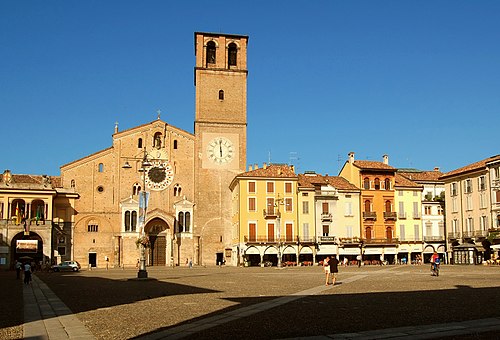
Lodi is a charming city located in the Lombardy region of northern Italy. Situated along the banks of the Adda River, Lodi serves as the capital of the Province of Lodi and plays a significant historical and economic role in the area. With origins dating back to ancient Roman times, Lodi was established during the 1st century BC and was known as "Lib tpia" before evolving into a major medieval center. The city flourished during the 12th century, becoming a hub of trade and commerce due to its strategic position between Milan and other important towns. Its medieval architecture remains a highlight, with several well-preserved structures that lure both history buffs and casual visitors.
The heart of Lodi is its historic center, characterized by quaint cobbled streets and historic buildings that showcase various architectural styles. A focal point of the city is the Piazza della Vittoria, where visitors can admire the stunning Gothic Cathedral of Lodi, also known as the Basilica di San Lorenzo. Built in the 12th century, the cathedral features intricate frescoes, beautiful stained glass windows, and an impressive bell tower. Another notable landmark is the Casa di Giacomo, an ancient palace that provides a glimpse into the city’s affluent past. The city is also home to several museums, including the Museum of the Putti, which features a collection of art and artifacts significant to Lodi's history.
Lodi is not just a city steeped in history; it also boasts a vibrant contemporary culture. The local economy is predominantly based on agriculture, with the fertile land surrounding the city producing a variety of crops, including rice, vineyards, and dairy, contributing to the region's renowned culinary reputation. The city hosts numerous festivals and events that celebrate its rich cultural heritage, attracting visitors from both Italy and beyond. Notable among these is the Fiera di Lodi, an annual fair that showcases local products and traditions. Additionally, Lodi’s strategic location allows for easy access to Milan, making it a convenient destination for those looking to explore the greater Lombardy region. With its blend of historical charm, lively community atmosphere, and culinary delights, Lodi stands out as a delightful destination for those seeking to experience the authentic essence of northern Italy.
Facts about Lodi
- Lodi is home to the ancient Romanesque Cathedral of San Lorenzo, which features a unique fresco by artist Giovanni Battista Crespi, known as Il Cerano.
- The city is known for the historic 'Lodi Peace' treaty signed in 1454, which ended the long-standing conflicts between the Duchy of Milan and the Republic of Venice.
- Lodi hosts the annual 'Sagra dei Santi' festival, celebrating local saints with a vibrant procession and food stalls, showcasing the region's culinary traditions.
- The city is famous for its distinctive red bricks used in many of its historical buildings, giving Lodi a unique architectural character compared to other Italian towns.
- The town features a stunning 18th-century Palazzo Barni, which is an example of neoclassical architecture and contributes to Lodi's rich architectural heritage.
- Lodi is located in the heart of the agricultural region known as the 'Lodi Plain', which is renowned for its high-quality agricultural products, particularly rice and cheese.
- The city has a strong historical connection to the Italian Renaissance, being the birthplace of the influential painter and architect Giovanni Antonio Amadeo.
- Lodi's historical center is characterized by its charming cobbled streets and well-preserved medieval buildings, making it an attractive destination for tourists seeking authentic Italian culture.
- The Lactose Intolerance Festival, held annually in Lodi, celebrates dairy products and raises awareness about lactose intolerance, highlighting the region's dairy industry.
- Lodi has a unique dual-bridge system, with both the ancient Visconti Bridge and the modern bridge that crosses the Adda River, symbolizing the blend of historical and contemporary influences.