Löhne, Germany
- 39,521 people
- 8 places to visit
- 52.1941, 8.7221
Places to Visit (8)
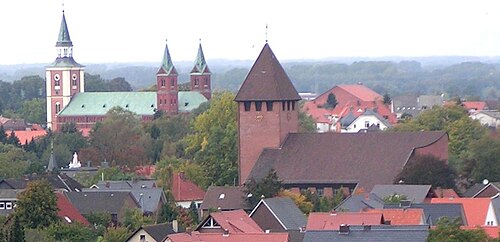
Löhne is a town located in the North Rhine-Westphalia region of Germany, specifically in the district of Herford. It is situated on the eastern edge of the Teutoburg Forest, making it notable for its scenic landscapes and proximity to natural reserves. The town has a population of approximately 32,000 residents, and its development has been shaped significantly by its industrial heritage, primarily in the furniture and textile sectors. The town's economy now reflects a diverse industrial base, incorporating both traditional manufacturing and modern enterprises, contributing to Löhne's role as a key economic center within the region.
Historically, Löhne’s roots can be traced back to the 12th century, gaining official town status in the late 19th century. The town witnessed rapid industrialization during the 19th and early 20th centuries, leading to a boom in population as workers migrated for jobs in local factories. Löhne's location along important transportation routes, including the nearby A30 autobahn, has facilitated its connectivity and growth. The town is known for various cultural and recreational offerings, such as parks, sports facilities, and events throughout the year. The local governance actively promotes community engagement and cultural development, emphasizing sustainability and environmental protection in their urban planning.
Löhne is also recognized for its commitment to education and public services, with several schools, vocational training institutions, and healthcare facilities serving its residents. The town celebrates its regional traditions and hosts several festivals that highlight its historical significance and community spirit. With its combination of industrial heritage, natural beauty, and modern amenities, Löhne presents a unique blend of past and present, making it an engaging place for both residents and visitors.
Facts about Löhne
- Löhne is known for its historic significance in the furniture industry, particularly as a center for the production of high-quality wooden furniture.
- The city is home to the unique Löhne Water Tower, built in 1914, which stands as an emblematic landmark of the town.
- Löhne hosts an annual fair, the Löhne Schützenfest, which is one of the largest traditional marksmanship festivals in Germany, incorporating local culture and community spirit.
- The region surrounding Löhne is recognized for its scenic beauty, including the nearby Teutoburg Forest, which attracts nature enthusiasts and hikers.
- Löhne was part of the ancient trade route known as the Hellweg, which connected the North Sea to the eastern regions of Germany, enhancing its historical significance.
- The city's population is diverse, with a rich heritage of both German and Polish communities, fostering a multicultural atmosphere.
- Löhne features a variety of modern recreational facilities, including parks and sports complexes, making it a vibrant community for families.
- The town's architectural landscape includes a mix of traditional Westphalian buildings and contemporary structures, reflecting its development over time.
- Löhne has made significant strides in sustainability, with initiatives aimed at improving local environmental conditions and promoting green spaces.
- The annual 'Löhne International Children's Festival' showcases local and international talents, celebrating arts and culture for younger audiences.