Logroño, Spain
- 152,485 people
- 16 places to visit
- 42.4627, -2.445
Places to Visit (16)
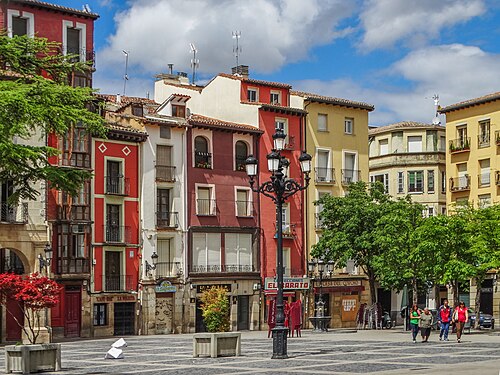
Logroño is the capital of the La Rioja autonomous community in northern Spain, known primarily for its rich history and as a key center for wine production, particularly for its renowned red wines made from the Tempranillo grape. Situated along the Ebro River, the city has a population of approximately 150,000 residents and serves as a vital economic and cultural hub for the region. Its strategic location has made Logroño a crossroads throughout history, influencing various trade routes and cultural exchanges from the Roman era onward. The city boasts a mix of historical architecture, including the impressive 16th-century Concatedral de Santa María de la Redonda, which is famous for its twin bell towers and stunning Baroque interior.
Logroño is also celebrated for its vibrant gastronomic scene, particularly its tapas culture, known locally as "pintxos." The historic Calle del Laurel is a popular destination for both locals and visitors, where a wide variety of bars and restaurants offer inventive small plates and local delicacies. The city is host to numerous festivals throughout the year, including the popular Fiesta de San Mateo, which celebrates the grape harvest in September with parades, concerts, and wine-tasting events. Moreover, Logroño is a key stop on the Camino de Santiago, a famous pilgrimage route leading to Santiago de Compostela, attracting many pilgrims seeking rest and nourishment for their journey. Overall, Logroño is a city that encapsulates the rich cultural and historical tapestry of Spain, blending tradition with modernity while being a vital representative of La Rioja's winemaking legacy.
Facts about Logroño
- Logroño is the capital of the La Rioja region, known for its significant wine production, particularly the famous Rioja wine.
- The city's historic old town features the iconic Concatedral de Santa María de la Redonda, known for its twin towers and beautiful Baroque façade.
- Logroño is famous for its culinary scene, especially its tapas culture, with the popular street Calle Laurel being a hotspot for food lovers.
- Every summer, Logroño hosts the San Bernando Festival, which celebrates the patron saint of the city with parades, music, and traditional dances.
- The Ebro River flows through Logroño, with scenic promenades and parks that offer a picturesque view of the landscape.
- Logroño is a key stop on the Camino de Santiago pilgrimage route, attracting many pilgrims traveling to Santiago de Compostela.
- The city has a rich history dating back to Roman times, with archaeological remains evidencing its importance in ancient trade routes.
- In Logroño, the annual Vendimia (grape harvest) festival celebrates the grape harvest with parades, wine tastings, and cultural activities.
- The Puente de Piedra is a historic stone bridge in Logroño, originally built in the 12th century, offering a glimpse into the city's medieval past.
- Logroño is renowned for its thriving art scene, with contemporary galleries and cultural events that highlight local artists and performers.