Loja, Ecuador
- 274,112 people
- 9 places to visit
- -3.9952, -79.2022
Places to Visit (9)
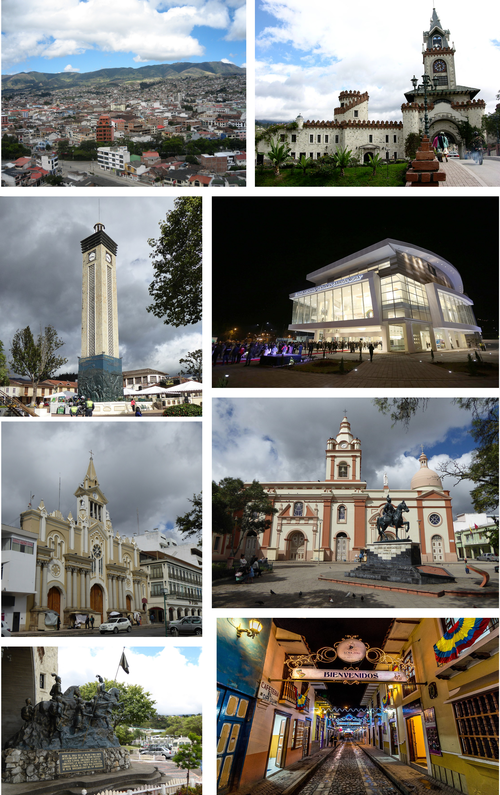
Loja is a vibrant city located in the southern part of Ecuador, serving as the capital of the Loja Province. Nestled in the Andes mountains at an altitude of approximately 2,060 meters (6,791 feet), it is renowned for its temperate climate, which is characterized by mild temperatures and a distinct wet and dry season. Founded in 1548 by Spanish conquistador Alonso de Mercadillo, Loja is one of the oldest cities in Ecuador and retains much of its colonial charm. The city's layout features narrow cobblestone streets, colonial-era buildings, and a picturesque central square known as Parque Central. The architecture reflects a mix of indigenous and Spanish influences, making it a unique cultural and historical destination.
Loja is celebrated as the "Musical Capital of Ecuador," thanks to its rich musical heritage and contributions to Ecuadorian arts. The city hosts several music festivals and events throughout the year, promoting both traditional and contemporary music forms. Moreover, it is home to numerous music schools and conservatories, including the prestigious Conservatorio de Música. The local economy is diverse, with agriculture, commerce, and tourism playing significant roles. Tours to the surrounding natural reserves, such as El Cajas National Park and the Podocarpus National Park, attract eco-tourists and adventure seekers. Loja is also famous for its handicrafts, particularly textiles and jewelry, which reflect the region's cultural identity. The city's blend of natural beauty, cultural depth, and historical significance makes it a distinctive place to explore within Ecuador.
Facts about Loja
- Loja is known as the 'Cultural Capital of Ecuador' due to its rich artistic heritage and numerous cultural events.
- The city is home to the prestigious Loja Music Conservatory, one of the oldest musical institutions in Ecuador, which has produced many renowned musicians.
- Loja boasts a unique architectural style, with many colonial-era buildings and churches, including the beautiful Cathedral of Loja, which features a distinct neoclassical design.
- The city has a vibrant tradition of folk music, particularly the 'pasillo', a music genre that originated in Loja and is celebrated throughout the country.
- Loja is recognized for its dedication to environmental preservation, being one of the first cities to adopt a sustainability plan focused on green initiatives.
- The region around Loja is known for its biodiversity and is home to several natural parks such as Podocarpus National Park, attracting ecotourism enthusiasts.
- Loja hosts the International Festival of Music, a significant event that attracts artists from around the world and showcases global musical talent.
- The city has a strong historical connection to the independence movement in Ecuador, with numerous landmarks commemorating its role in the struggle against Spanish colonial rule.
- Loja is famous for its local cuisine, particularly the 'cuy' (roast guinea pig), a traditional dish that reflects the region’s culinary heritage.
- The city is also noted for its production of fine handicrafts, including traditional textiles and artisanal goods that reflect the skills of local artisans.