Loja, Spain
- 21,574 people
- 9 places to visit
- 37.1662, -4.1491
Places to Visit (9)
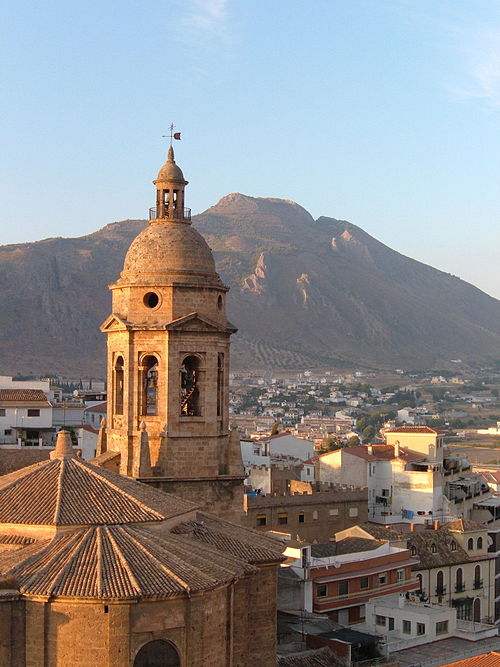
Loja is a historic city located in the province of Granada, part of the autonomous community of Andalusia in southern Spain. Nestled in the foothills of the Sierra de Loja mountains, it sits strategically on the main route connecting Granada and Malaga, making it a significant crossroads since ancient times. With a population of around 20,000, Loja boasts a rich tapestry of history and culture, reflected in its diverse architectural styles and vibrant traditions. The city's origins date back to the Roman era, known as "Genil" during that period, and it continued to flourish under Muslim rule, which has left a lasting influence on its urban landscape.
The city is characterized by its medieval streets, charming squares, and notable landmarks, such as the Iglesia de San Gabriel, a 16th-century church built in the Mudejar style, and the castle ruins that overlook the town from a nearby hill. Loja’s historical significance is also highlighted by its role in the Reconquista when it was captured by the Catholic Monarchs in 1482. The city's economy has historically relied on agriculture, particularly the cultivation of olive trees and vineyards, but has diversified in recent years to include industry and tourism. Loja is also renowned for its traditional festivals, such as the Feria de San Vicente, which celebrates the city's patron saint, and the Semana Santa, featuring elaborate processions during Holy Week. This blend of history, culture, and community spirit makes Loja a noteworthy destination in Andalusia, inviting visitors to explore its rich past and local heritage.
Facts about Loja
- Loja is known for its unique Moorish architecture, especially seen in the ancient neighborhoods that reflect its Islamic past.
- The city is famous for the 'Cascamorras' festival, a traditional event that includes a colorful parade and a playful battle with oil and water.
- Loja is situated at the convergence of several natural landscapes, including the Sierra de Almijara mountains and the Genil River, making it a hub for outdoor activities.
- The historical center of Loja features the Church of Santa Catalina, a stunning example of Baroque architecture that emphasizes the city’s rich religious heritage.
- Loja played a significant role during the Reconquista, serving as a strategic point for both the Christian and Moorish armies.
- The city is often referred to as the 'cradle of great musicians' due to its historical contributions to Spanish music and the birth of renowned composers such as José de la Vega.
- Loja boasts a number of ancient ruins, including the remnants of Roman settlements, which provide insight into its long and varied history.
- The 'Puente de la Villa,' a medieval bridge, is an iconic landmark of Loja, symbolizing its historical importance and engineering ingenuity.
- Loja has a vibrant local culinary scene, known for its unique dishes that combine both Andalusian and Moorish influences, such as 'piononos' and 'fritura de pescado.'
- The city is home to the Natural Park of Grazalema and other protected areas, making it a biodiversity hotspot that attracts nature enthusiasts.