Lomé, Togo
- 749,700 people
- 11 places to visit
- 6.1296, 1.2197
Places to Visit (11)
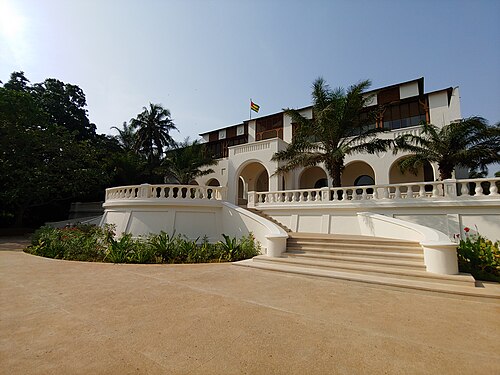
Lomé is the capital city of Togo, a West African nation located along the Gulf of Guinea. With an estimated population of over 1 million people, it serves as the country's largest city, economic hub, and a crucial port for maritime trade. Lomé is characterized by its vibrant culture, rich history, and a mix of ethnicities, including Ewe, Kabye, and Tem, which contribute to the city's dynamic social fabric. The city’s history dates back to its founding in the early 19th century, when it was primarily a fishing village. Over time, it evolved into a major center for trade and commerce, further increasing its significance when Togo became a French protectorate in the late 19th century.
Lomé's economy is bolstered by activities in various sectors such as trade, agriculture, and services. The Port of Lomé is one of the most important in West Africa, providing crucial links for imports and exports, especially for landlocked neighboring countries. The city is known for its colorful markets, such as the Grand Marché, where visitors can find textiles, handicrafts, and local produce. Additionally, Lomé hosts several notable landmarks, including the Memorial de l'Indépendance, marking Togo's independence from colonial rule, and the Togo National Museum, which showcases the country's cultural heritage. The city's coastal location also offers beautiful beaches and resorts, attracting tourists seeking relaxation and adventure. Overall, Lomé is a city that encapsulates Togo’s rich cultural heritage and economic potential within the West African region.
Facts about Lomé
- Lomé is the capital and largest city of Togo, making it the political and administrative hub of the country.
- The city is located on the Gulf of Guinea and serves as Togo's main port, which distinguishes it from other towns that are inland.
- Lomé is known for its vibrant markets, particularly the Lomé Grand Market, which is one of the largest in West Africa and showcases local crafts, produce, and textiles.
- The city is home to the largest voodoo market in the world, the Akodessawa Fetish Market, where various traditional and spiritual items are sold, reflecting the deep-rooted voodoo culture in the region.
- The Monument de l'Indépendance, located in central Lomé, commemorates Togo's independence from French colonial rule on April 27, 1960.
- Lomé's beach, particularly the ​Plage de Lomé, is known for its unique black sand and attracts both locals and tourists, making it a recreational area different from other cities in Togo.
- The city hosts the National Festival of Voodoo (Fête du Vodoun), an important cultural event celebrated every January 10, showcasing the heritage and spiritual beliefs of the Togolese people.
- Lomé is notable for its diverse architecture, blending colonial buildings with modern structures, a contrast to the more traditional architectural styles seen in rural Togo.
- The Togolese National Museum, located in Lomé, offers insights into the country's history, culture, and art, making it a key educational and cultural institution.
- Lomé has a relatively more developed infrastructure compared to other Togolese towns, including better roads, health facilities, and educational institutions.