Londrina, Brazil
- 588,125 people
- 18 places to visit
- -23.3197, -51.1662
Places to Visit (18)
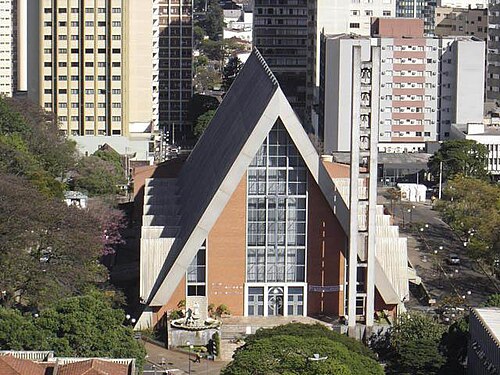
Londrina is a significant city located in the state of Paraná, Brazil. Founded on December 10, 1934, the city was established primarily by British settlers who were attracted to the region for its favorable agricultural conditions. The name "Londrina" is derived from "London," reflecting the British influence in the area. Over the years, Londrina has developed into a vital economic and cultural hub in southern Brazil. Positioned approximately 400 kilometers northwest of the capital city of Curitiba, Londrina is well-connected by major highways and has a regional airport, which facilitates both domestic and international travel.
The economy of Londrina is notably diverse, with agriculture playing a crucial role. The region is one of Brazil's largest producers of coffee, soybeans, and maize. In addition to agriculture, the city has made strides in industry and services, with several manufacturing firms and a growing technology sector. The population of Londrina is approximately 600,000 people, making it one of the largest cities in Paraná. The city boasts a rich cultural landscape, featuring museums, theaters, and various annual events that celebrate local traditions. Notable landmarks include the Igapó Lake, a popular recreational area, and the Londrina Historical Museum, which showcases the city's history and heritage.
Londrina is also home to several institutions of higher education, including the State University of Londrina, which contributes to the city's status as an educational center. The cultural scene is vibrant, with music, dance, and art playing significant roles in the community's identity. Festivals celebrating the region's agricultural roots, such as the Expobiomassa, highlight the importance of agribusiness in Londrina's economy. With its rich history, economic diversity, and cultural vitality, Londrina continues to be a prominent city in Brazil's southern region, reflecting the country's dynamic growth and development.
Facts about Londrina
- Londrina is known as the 'Garden City' due to its abundant parks, gardens, and green spaces, which set it apart from many other urban areas in Brazil.
- The city was founded in 1934 and is one of the youngest cities in Brazil, highlighting its rapid development compared to older colonial cities.
- Londrina is majorly recognized for its coffee production and was once considered the coffee capital of Brazil, reflecting its agricultural importance.
- The iconic Londrina Cathedral, completed in 1957, is one of the tallest churches in Brazil and features a modernist architectural style that differentiates it from other historical cathedrals in the country.
- Every winter, Londrina hosts the 'Festival Internacional de Londrina' (Londrina International Festival), which draws artists and theater companies from around the world and sets a distinct cultural tone for the city.
- The city has numerous cultural institutions, including the Museum of Arts and the Historical Museum, showcasing its commitment to preserving regional history and culture, unlike many other cities that focus on industrial growth.
- Londrina is home to the State University of Londrina (UEL), which is highly regarded for its research and education, making it an educational hub in the southern region of Brazil.
- The city’s unique architecture includes several examples of Art Deco and Neoclassical buildings, especially in its downtown area, making it visually distinct.
- Londrina is located in a region known for its mild climate, which is relatively cooler than much of Brazil, attracting those who prefer less humid weather.
- The city is situated in one of the largest coffee-producing regions of the world, which has played a significant role in its economy and historical growth.