Longueuil, Canada
- 229,330 people
- 14 places to visit
- 45.5135, -73.4329
Places to Visit (14)
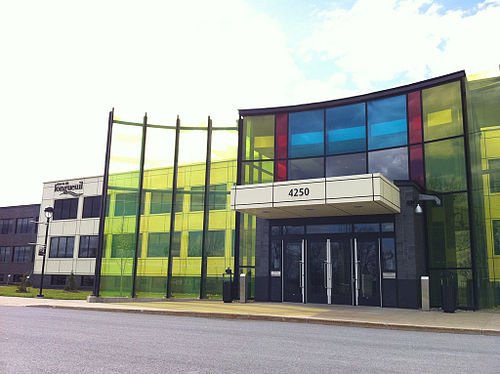
Longueuil is a city located on the south shore of the Saint Lawrence River, directly opposite Montreal in the province of Quebec, Canada. With a population exceeding 250,000, Longueuil is the largest city in the Montérégie region and is notable for its blend of urban and suburban characteristics. Established as a parish in 1698, Longueuil was incorporated as a city in 1961. It has undergone significant growth and development over the years, merging with several neighboring communities in the 2000s, which has contributed to its current size and diversity.
The city is recognized for its vibrant cultural scene, parks, and recreational facilities. Longueuil is home to numerous cultural institutions, including the Longueuil Symphony Orchestra and various theaters. The city is also a hub for outdoor activities, boasting an array of parks and green spaces, such as the stunning Parc Michel-Chartrand, which features walking trails, picnic areas, and a lake. Longueuil benefits from its strategic location, offering residents easy access to Montreal via the Jacques Cartier Bridge and the Longueuil–Saint-Hubert Airport, enhancing its appeal as a residential area for those working in the metropolitan region. The city’s economy is diverse, encompassing sectors such as technology, manufacturing, and services, further solidifying Longueuil's role as a key economic player in Quebec.
Longueuil showcases a multilingual population, reflecting the broader cultural diversity of Quebec, with both French and English widely spoken. This multicultural environment is evident in the city’s various festivals and events that celebrate different traditions and heritages. Educational institutions, including Cégep Édouard-Montpetit and various primary and secondary schools, contribute to the community's commitment to education and lifelong learning. Longueuil continues to evolve, balancing its historical roots with modern development, making it an attractive place to live, work, and visit.
Facts about Longueuil
- Longueuil is the largest city on the south shore of the Saint Lawrence River opposite Montreal, making it a significant urban center in the Greater Montreal area.
- The city was founded in 1657, making it one of the oldest municipalities in Canada, originally established as a parish and later incorporated as a city in 2002.
- Longueuil was named after Charles Le Moyne, Sieur de Longueuil, a prominent figure in New France, highlighting its rich colonial history.
- The city is home to the Longueuil Metro station, one of the few stations outside Montreal that connects the Montreal Metro system, facilitating easy access to the city's amenities.
- Longueuil boasts the Parc Michel-Chartrand, a large urban park offering extensive outdoor activities, including hiking, cycling, and birdwatching.
- The city hosts the annual International Circus Festival, an event that attracts circus artists and performers from around the world, showcasing a unique cultural celebration.
- Longueuil is known for its vibrant arts scene, including the Saint-Jean-Baptiste Celebration, which pays tribute to local culture and showcases various artistic performances.
- The city is also home to the province's only bilingual university, the Université de Sherbrooke's Longueuil campus, providing diverse educational opportunities.
- Longueuil has been recognized for its environmental efforts, being awarded various sustainability awards, making it one of the leading green cities in Quebec.
- The city's downtown area features the famous Longueuil City Hall, an architectural landmark reflecting the city's historical and cultural heritage.