Longyan, China
- 1,025,087 people
- 4 places to visit
- 25.075, 117.0172
Places to Visit (4)
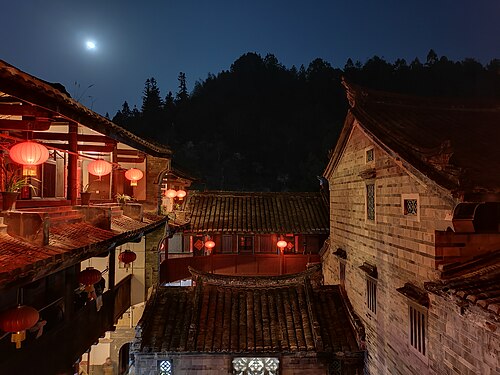
Longyan is a city in the Fujian province of southeastern China, known for its rich history, diverse culture, and stunning natural landscapes. With a population of approximately 2.5 million residents, Longyan, which translates to "Dragon's Eye," serves as an important regional center for commerce and transportation. The city is strategically located within a mountainous area that is part of the Wuyi Mountain Range, providing a unique backdrop of scenic beauty alongside significant agricultural activities in the surrounding regions. Longyan’s geographic features include rivers, mountains, and forests, making it a popular destination for eco-tourism and outdoor activities.
Culturally, Longyan is home to various ethnic groups, including the Hakka people, who have significantly influenced the local customs, architecture, and cuisine. The city is famous for its distinctive earthen structures known as "Tulou," which are large, fortified buildings that served as communal living spaces for the Hakka. These structures are now recognized as UNESCO World Heritage Sites and attract tourists from around the globe. Additionally, Longyan boasts rich traditions in music, dance, and festivals that reflect the area's cultural diversity. Economically, Longyan has seen rapid development in recent years, with industries such as electronics, textiles, and agriculture playing vital roles in its growth. The city's commitment to environmental sustainability is evident in its initiatives to balance industrial progression with the preservation of its natural beauty, making Longyan a noteworthy example of modernization harmonized with tradition in contemporary China.
Facts about Longyan
- Longyan is known for its unique Fujian Tulou, which are traditional earthen structures recognized as UNESCO World Heritage Sites, showcasing the Hakka culture.
- The city is home to Mount Wuyi, a prominent mountain range in southeastern China renowned for its biodiversity and as a historical tea-growing region.
- Longyan has a rich mining history, particularly in the production of tungsten, making it one of the major centers for tungsten mining in China.
- The city hosts the important Longyan International Tea Culture Festival, celebrating its historical significance as a tea production area.
- Longyan is famous for its picturesque landscapes, including valleys, rivers, and hot springs, offering unique ecotourism opportunities distinct from other urban areas.
- The Longyan railway station serves as a crucial transportation hub, connecting the city with important urban centers like Xiamen and Fuzhou.
- The city is known for its diverse ethnic cultures, including the Hakka and Minnan groups, contributing to a vibrant local culture and festivals.
- Longyan's cuisine features distinctive regional dishes, such as 'Hakka-style stuffed tofu,' highlighting the local agricultural products and culinary traditions.
- The city was an early site of economic reform in China, leading to its current development as a modern city while still preserving its historical heritage.
- Longyan is often referred to as the 'City of Bamboo,' due to its extensive bamboo forest resources, which play a significant role in local crafts and industry.