Longyearbyen, Svalbard and Jan Mayen
- 2,368 people
- 9 places to visit
- 78.2232, 15.6267
Places to Visit (9)
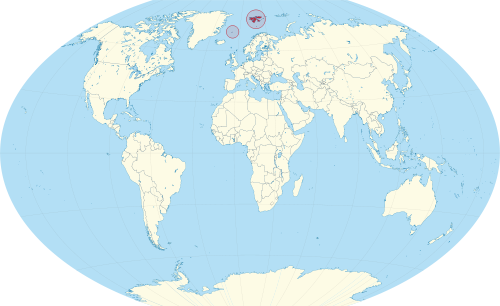
Longyearbyen is the largest settlement and administrative center of Svalbard, an archipelago located in the Arctic Ocean, under the sovereignty of Norway. Situated at 78 degrees north latitude, it is the world’s northernmost town with a population of around 2,400 residents. Originally founded in the early 20th century as a coal mining community, Longyearbyen's economy has since diversified significantly. Today, it serves as both a scientific hub and a tourist destination, attracting visitors with its dramatic Arctic landscapes, wildlife, and unique cultural experiences.
The climate in Longyearbyen is classified as polar, characterized by long, cold winters and brief, cold summers. Temperatures in the winter can plunge as low as -20 degrees Celsius, while summers might reach up to 10 degrees Celsius. The town experiences polar night, where the sun does not rise above the horizon for several weeks in winter, and the midnight sun, where the sun never sets for a similar period in summer. This unique phenomenon draws researchers and tourists alike, particularly those interested in environmental studies, climate change, and Arctic wildlife. The settlement hosts several cultural and recreational facilities, including a local museum, a university center dedicated to Arctic studies, and a selection of hotels and restaurants catering to the needs of both residents and visitors.
Longyearbyen maintains a distinct character shaped by its Arctic environment and rich history. The town's development has been heavily influenced by its mining past, with remnants of the industry visible in the old mining buildings and infrastructure. The local culture reflects a blend of Norwegian and indigenous influences, and residents often engage in outdoor activities such as hiking, skiing, and dog sledding. Environmental sustainability is a crucial focus; the community is aware of the challenges posed by climate change, including melting glaciers and shifting wildlife patterns. Overall, Longyearbyen stands as a testament to human adaptation in one of the planet's most extreme environments, balancing traditions with modern advancements while fostering a deep connection to the pristine Arctic landscape that surrounds it.
Facts about Longyearbyen
- Longyearbyen is the northernmost settlement of its size in the world, located at 78° N latitude.
- The town was founded in 1906 as a coal mining community by John Munro Longyear and was named after him.
- Longyearbyen is considered a 'Global Seed Vault' location, housing a genetic backup for agricultural seeds from around the world, ensuring biodiversity.
- It operates under a unique governance system where residents can only mine for coal if they have a permit and environmental regulations are strictly enforced.
- The population of Longyearbyen is around 2,000, with a diverse mix of nationalities, representing a multicultural community.
- In Longyearbyen, there are no regular waste disposal services; waste must be managed meticulously, and incineration is a common method.
- Polar bears are a part of daily life in Longyearbyen, with strict laws regulating human-polar bear interactions, including a mandatory weapon when traveling outside the town.
- Longyearbyen experiences a unique phenomenon of continuous daylight during summer months and polar night during winter, affecting the lifestyle of its residents.
- The town has no conventional churches; instead, there are various places for reflection and gatherings, reflecting its small and diverse population.
- Longyearbyen is a popular destination for adventure tourism, with activities such as glacier hiking, dog sledding, and Northern Lights excursions.