Loos, France
- 22,107 people
- 12 places to visit
- 50.6151, 3.0177
Places to Visit (12)
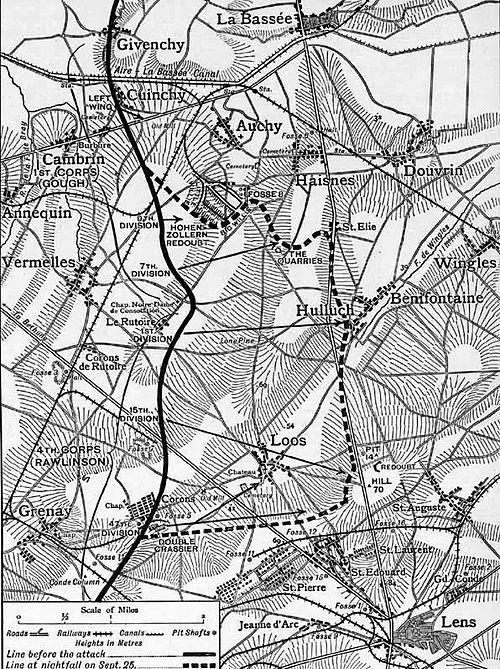
Loos is a commune located in the northern part of France, specifically in the Hauts-de-France region. It lies approximately 6 kilometers southwest of Lille, which is the capital of the Nord department. The city is part of the metropolitan area surrounding Lille and has a significant population, making it an integral part of the region's urban fabric. Loos is characterized by its blend of residential neighborhoods, parks, and local amenities, contributing to its appeal as a suburban hub. The commune's history is rich, with roots dating back to the medieval period, and it has seen various phases of development, particularly during the industrial era when the region thrived due to coal mining and textile manufacturing.
In contemporary times, Loos serves as a vital residential area for those who work in Lille and the surrounding areas. The city features several educational institutions, parks, and recreational facilities that cater to its residents, fostering a sense of community. Public transportation, including buses and proximity to the Lille metro system, provides convenient access to the greater metropolitan region, enhancing Loos’s connectivity. The city hosts numerous cultural events throughout the year, promoting local heritage and community engagement. Moreover, the architectural landscape depicts a mixture of historical buildings and modern developments, reflecting the evolution of the city over the years. As part of the vibrant urban area surrounding Lille, Loos continues to grow and adapt, making it an important locality within the fabric of northern France.
Facts about Loos
- Loos is located in the Hauts-de-France region, near the city of Lille, and is often characterized by its industrial heritage.
- The city is known for its significant role during World War I, particularly during the Battle of Loos in 1915, which was one of the largest battles involving British forces.
- Loos features the 'Vimy Memorial,' a tribute to the soldiers who fought at the nearby Battle of Vimy Ridge, emphasizing its historical military significance.
- One of the city's distinguishing features is the Loos-en-Gohelle town hall, an example of the unique architectural style found in northern France.
- The city has developed a strong community focus on renewable energy and sustainability, distinguishing it from many other industrial cities in France.
- Loos is home to the largest public garden in the area, 'Le Parc de la Citadelle,' which offers a vast green space for relaxation and community events.
- Culturally, Loos hosts an annual festival celebrating the local music scene, attracting visitors from across the region and promoting local artists.
- The city has a rich mining history and is part of the UNESCO World Heritage Site for the Nord-Pas de Calais Mining Basin, highlighting its industrial past.
- Loos is well-connected by public transportation, making it a practical choice for commuters to Lille, yet it retains its small-town charm.
- The city features several historic buildings and monuments, including remnants of the past mining economy, which are unique to the region.