Lorca, Spain
- 91,906 people
- 15 places to visit
- 37.6736, -1.6968
Places to Visit (15)
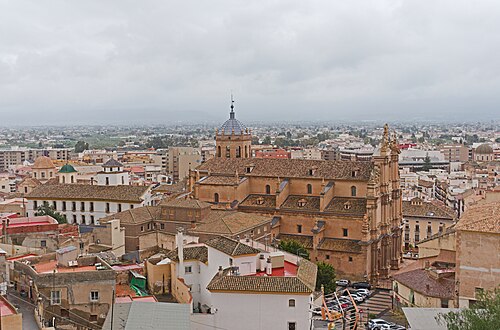
Lorca is a historic city located in the Region of Murcia, southeastern Spain, nestled between the Sierra de la Almenara and the Mediterranean coast. With a population of around 90,000 inhabitants, it is one of the most important urban centers in the region. Known for its rich history, Lorca boasts a diverse cultural heritage influenced by various civilizations, including the Romans, Moors, and Christians. The city’s strategic position along the Guadalentín Valley has made it a valuable agricultural area, particularly renowned for its produce, including fruits and vegetables. Lorca is also a notable center for the cultivation of decorative plants and has a burgeoning floral industry.
The city is characterized by its impressive architecture, featuring a blend of Gothic, Baroque, and Renaissance styles. One of the most prominent landmarks is the Lorca Castle, or Castillo de Lorca, which sits atop a hill overlooking the city. This medieval fortress dates back to the 13th century and offers panoramic views of the surrounding landscape. Another significant site is the Collegiate Church of Saint Patrick, an exemplar of Baroque architecture with intricate façades and a striking bell tower. Lorca is also known for its vibrant local festivals, particularly the Semana Santa (Holy Week) processions famed for their elaborate displays and religious fervor. In addition, the city organizes the Fiestas de Lorca, which celebrates its cultural identity and historical legacy through music, dance, and traditional cuisine.
Lorca experiences a Mediterranean climate, characterized by hot summers and mild winters, making it an attractive destination for visitors year-round. The town is well-connected via road and rail, facilitating easy access to nearby cities and the coastal areas of the Mediterranean. In recent years, Lorca has experienced economic growth, focusing on tourism, agriculture, and industry, although it faced significant challenges following the devastating earthquakes in 2011 that caused extensive damage to its infrastructure. Reconstruction efforts have revitalized the city, and Lorca continues to embrace its historical roots while evolving into a modern urban hub, attracting visitors who seek to explore its rich history, picturesque landscapes, and cultural festivities.
Facts about Lorca
- Lorca is renowned for its impressive historical castle, the Castillo de Lorca, which dates back to the Moorish period and offers panoramic views of the city.
- The city has a rich history dating back to the Romans, evidenced by the archaeological site of La Cueva del Agua, which features Roman aqueduct remnants.
- Lorca is famous for its vibrant Semana Santa (Holy Week) celebrations, which are characterized by elaborate processions and are recognized as Festivals of International Tourist Interest.
- The city is home to the unique regional cuisine of 'Zarangollo', a traditional egg dish mixed with vegetables, reflecting its agricultural heritage.
- Lorca boasts a distinctive baroque architecture, particularly visible in the Colegiata de San Patricio, showcasing the city's artistic history.
- The city experienced significant destruction during the 2011 earthquake, leading to ongoing restoration efforts that highlight its historical and cultural preservation.
- Lorca is the only place in Spain that holds the title of 'City with a Castle, Palace, and Fortress', a distinction that emphasizes its military historical significance.
- The annual 'Festival de los Tres Culturas' celebrates the coexistence of Christian, Muslim, and Jewish cultures in Lorca, featuring music, food, and cultural exhibitions.
- Lorca is situated in the fertile Guadalentín Valley, making it a notable agricultural center, especially for producing olives and other Mediterranean crops.
- The city is known for its striking Renaissance-era fountains, such as the Fuente de las Tres Jarras, which serve as important symbols of Lorca's artistic legacy.