Lorient, France
- 58,112 people
- 16 places to visit
- 47.7483, -3.3702
Places to Visit (16)
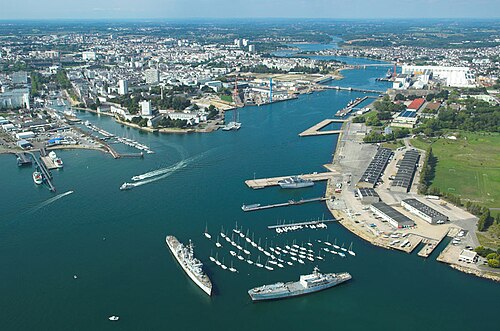
Lorient is a vibrant city located in the Morbihan department of Brittany in northwestern France. Nestled on the southern coast of Brittany, Lorient is known for its strategic position along the Atlantic Ocean, which has historically made it an important maritime center. The city was officially founded in the 17th century but has roots that extend back to earlier fishing villages. Its founding is attributed to the establishment of the French East India Company, which sought to create a naval base in the area. This led to significant economic development, transforming Lorient into a bustling port. Today, it serves not only as a hub for fishing but also for commercial shipping and naval construction.
One of Lorient's key features is its rich maritime heritage, celebrated through various cultural and historical sites. The city hosts the Cité de la Voile Éric Tabarly, a unique maritime museum dedicated to sailing and the ocean. Additionally, Lorient is famous for its Interceltic Festival, held annually in August, which brings together Celtic nations through music, dance, and cultural exhibitions. This event attracts thousands of visitors and highlights the city’s deep-rooted Celtic culture. Lorient also showcases a vibrant arts scene, a variety of local markets, and beautiful coastal landscapes, making it a popular destination for tourists seeking both history and natural beauty.
Furthermore, Lorient's urban landscape reflects its dynamic evolution. The city's architecture features a blend of traditional Breton style and modernist designs, particularly evident in the post-war reconstruction after significant damage during World War II. Highlights include the impressive harbour area, lined with cafes and restaurants, and the historic Church of Saint-Louis. The city's commitment to developing green spaces and waterfront areas has enhanced its appeal as a livable urban environment. Overall, Lorient stands as a testament to the cultural and historical tapestry of Brittany, offering residents and visitors alike a unique glimpse into the maritime legacy and modern vibrancy of this coastal city.
Facts about Lorient
- Lorient is known for its rich maritime heritage and was historically a key port for the French East India Company in the 17th century.
- The city is home to the Festival Interceltique de Lorient, one of the largest Celtic festivals in the world, attracting thousands of visitors every August.
- Lorient's distinctive architecture includes several modernist buildings, a result of extensive rebuilding after heavy bombings in World War II.
- The city features the Submarine Base, a massive and iconic structure built by the Germans during WWII, which now hosts cultural events and exhibitions.
- Lorient hosts the largest fishing port in Brittany, highlighting its important role in France's fishing industry.
- The Île de Groix, located just off the coast of Lorient, is famous for its beautiful beaches and is accessible by ferry from the city.
- Lorient is also renowned for its shipyards, being a center for yacht building and maritime activities in France.
- The city has a vibrant arts scene with numerous galleries, theaters, and the renowned Cité de la Voile Eric Tabarly, dedicated to sailing and maritime culture.
- Lorient was the birthplace of the famous French writer and novelist Fabien Vehlmann, known for his work in comic books and graphic novels.
- The city has a diverse population and a multicultural atmosphere, partly due to its historical importance as a port city, attracting various communities.