Lormont, France
- 22,636 people
- 8 places to visit
- 44.8802, -0.5231
Places to Visit (8)
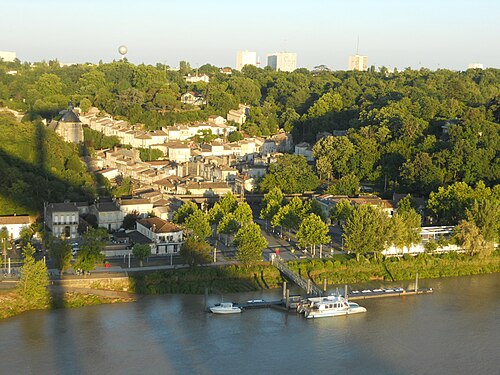
Lormont is a commune situated in the Nouvelle-Aquitaine region of southwestern France, specifically within the Bordeaux Metropolis. Located about 10 kilometers southwest of Bordeaux, the city serves as a residential suburb with a rich history that dates back to at least the 13th century. Historically a port town, Lormont developed alongside the Garonne River, which provided significant trade routes during the medieval period. The town's strategic position contributed to its growth, particularly in the 19th century when industrialization spurred urban development. Today, Lormont is characterized by a blend of historical architecture and modern urban planning, reflecting its evolution over the centuries.
Lormont is known for its diverse community and vibrant local culture, which is enriched by its proximity to Bordeaux. The city features several parks, including the Parque de l'Ermitage and Parc de La Morlette, offering green spaces for recreation and leisure. The town maintains its historical charm with landmarks such as the Church of Saint-Nicolas and the remnants of the former Franciscan monastery. Accessibility is facilitated by public transport links, including tram and bus services that connect Lormont to Bordeaux and surrounding areas. Additionally, Lormont is home to various amenities, including shops, schools, and cultural centers that contribute to the overall quality of life for its residents. In recent years, local initiatives focused on urban development and sustainability have aimed to enhance the living environment while preserving the city’s historical identity.
Facts about Lormont
- Lormont is known for its unique location on the banks of the Garonne River, providing scenic views and waterfront activities that distinguish it from many other cities in France.
- The city is home to the historic 'Château de Bellerive', a 19th-century castle that serves as a notable landmark and hosts events, setting it apart from many modern urban centers.
- Lormont has a rich industrial history, particularly in shipbuilding, which shaped its economic development and cultural identity, making it unique compared to other cities in the region.
- The 'Bordeaux-Lormont' tram line is one of the first in France and symbolizes the city’s early investment in public transportation, which has influenced urban connectivity in the surrounding area.
- Lormont is part of the Bordeaux Metropolis, but it has maintained its distinct identity and local culture, with vibrant neighborhoods and community activities that reflect a blend of urban and suburban life.
- The city hosts an annual festival called 'Fête de la Musique', celebrating music in various genres, showcasing local talent and fostering community, which is a hallmark of many French towns but with a unique Lormont flavor.
- Lormont is home to the 'Parc de l'Ermitage', a large urban park that offers recreational spaces and nature walks, providing a green escape that contrasts with the urban landscape.
- The area has a significant history related to the French Resistance during World War II, making it a site of remembrance and historical tourism that adds to its cultural depth.
- Lormont is renowned for its commitment to sustainable development and urban landscaping initiatives, distinguishing it from other towns focused more on traditional industrial growth.
- The city's diverse population and community-driven projects contribute to a multicultural environment, promoting inclusivity and social cohesion that sets it apart from more homogenous regions.