Lowell MA, United States
- 110,699 people
- 17 places to visit
- 42.6334, -71.3162
Places to Visit (17)
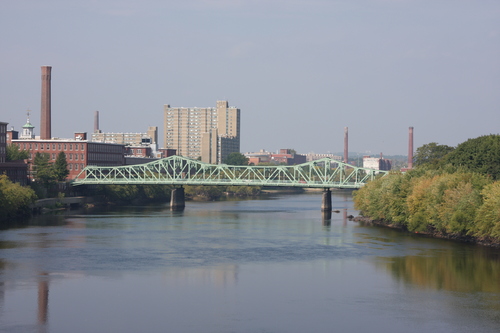
Lowell, Massachusetts, located in Middlesex County, is a vibrant city with a rich history that dates back to its founding in the early 19th century. Established in 1826, Lowell was named after Frances Cabot Lowell, a key figure in the American Industrial Revolution. The city quickly rose to prominence as a center for textile manufacturing due to its strategic position along the Merrimack River, which powered many of its mills. By the mid-19th century, it became one of the largest textile manufacturing hubs in the United States, attracting a diverse workforce, including a significant number of Irish and French-Canadian immigrants. This influx of workers played a crucial role in shaping the city's cultural identity and economic landscape.
Today, Lowell is known for its blend of historical significance and modern urban development. The city is home to the Lowell National Historical Park, which preserves and interprets the history of the American Industrial Revolution and its impact on the community. This park showcases preserved mill buildings, canals, and the history of the workers who helped build the city. Alongside its historical attributes, Lowell has embraced modernity, fostering a dynamic arts and culture scene. The city hosts numerous festivals, including the Lowell Folk Festival, which celebrates its diverse heritage through music, food, and crafts. Lowell is also home to renowned institutions like the University of Massachusetts Lowell, which contributes to the city's educational and economic advancements. With its complex history and vibrant present, Lowell continues to evolve while honoring its past, making it an intriguing destination in the northeastern United States.
Facts about Lowell
- Lowell is known for its significant role in the Industrial Revolution, particularly as a center for textile manufacturing in the 19th century.
- The city was home to the first national historical park in the United States, Lowell National Historical Park, established in 1978 to preserve its industrial heritage.
- Lowell is unique for its system of canals, which were constructed in the early 1800s to power the mills and are still an integral part of the city's landscape today.
- The city is recognized for having one of the largest Cambodian populations in the United States, leading to a vibrant Khmer cultural scene and annual events such as the Cambodian New Year Festival.
- On the famous Tsongas Center, Lowell frequently hosts sports events and concerts, showcasing its role as a community gathering space.
- The city was the birthplace of famous American poet and writer Jack Kerouac, who is associated with the Beat Generation.
- Lowell is noted for its diverse arts scene, including the Merrimack Repertory Theatre, which contributes to the cultural fabric of the city.
- The University of Massachusetts Lowell, a prominent research university, is located in the city and is known for its engineering and business programs.
- Lowell's history of immigrant populations, particularly from Ireland and the French Canadian community, has greatly influenced its cultural heritage and cuisine.
- The city has a unique mix of modern urban development alongside preserved historical sites, making it an interesting blend of the old and the new.