Luanda, Angola
- 2,776,168 people
- 10 places to visit
- -8.8147, 13.2302
Places to Visit (10)
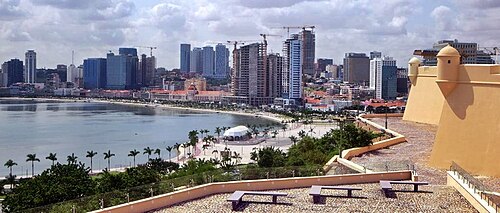
Luanda, the capital city of Angola, is one of the largest and most populous cities in Africa, situated on the country's northwest coast along the Atlantic Ocean. As of 2021, its population was estimated to be over 8 million people, making it a vibrant hub of economic, cultural, and political activity. Founded in 1576 by the Portuguese explorer Paulo Dias de Novais, Luanda was originally named “São Paulo da Assunção de Luanda” and served as a key center for the Atlantic slave trade. The city showcases a blend of colonial architecture and modern developments, with landmarks like the Fortaleza de São Miguel, a historic fortress, and the iconic skyline marked by high-rise buildings.
The economy of Luanda is primarily driven by the oil industry, with Angola being one of Africa's largest oil producers. This has led to significant foreign investment and rapid urbanization but has also resulted in disparities in wealth and access to basic services. The city grapples with challenges such as high levels of poverty, inadequate infrastructure, and a housing crisis, exacerbated by the influx of people seeking opportunities. Luanda's cultural scene is rich and diverse, featuring a mix of Angolan traditions, music genres like semba, and vibrant arts. The city's beaches, markets, and lively nightlife attract both locals and tourists, and events like the Luanda Carnival showcase the country's cultural heritage. As Angola continues to maintain its oil-dependent economy while seeking diversification, Luanda remains a focal point for growth and transformation in the region.
Facts about Luanda
- Luanda is the capital and largest city of Angola, serving as the country's primary political, cultural, and economic center.
- The city's architecture is a blend of Portuguese colonial buildings and modern skyscrapers, reflecting its history and rapid development.
- Luanda is home to the iconic Fortress of São Miguel, built in the 16th century, which played a significant role in defending the city from invaders.
- The city is located on the Atlantic coast, known for its stunning beaches, such as Ilha do Cabo, which is a popular destination for locals and tourists.
- Luanda hosts the annual Luanda International Jazz Festival, attracting both local and international artists and promoting Angolan music and culture.
- The National Museum of Anthropology in Luanda showcases the rich cultural heritage of Angola, including traditional art and artifacts.
- Luanda has one of the highest urban population growth rates in Africa, contributing to its vibrant and dynamic atmosphere.
- The city was significantly affected during the Angolan Civil War, leading to extensive reconstruction efforts since the conflict ended in 2002.
- Luanda is often referred to as the 'City of the Seven Hills,' akin to the nickname of Rome, due to its hilly terrain.
- The Luanda Bay area, known for its stunning views and nightlife, is a popular spot for dining and entertainment, distinguished from other cities in Angola.