Lubań, Poland
- 22,245 people
- 12 places to visit
- 51.1179, 15.2894
Places to Visit (12)
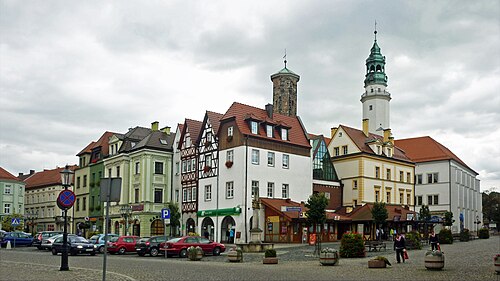
Lubań is a small city located in southwestern Poland, in the Lower Silesian Voivodeship. It lies near the border with Germany and the Czech Republic, approximately 100 kilometers from Wrocław, the regional capital. As of 2021, the city has a population of around 18,000 residents. Lubań is situated in the picturesque valley of the Bobr River, surrounded by hills and forests, making it a quaint destination for nature enthusiasts and history buffs alike. The city's historical roots date back to the 13th century, when it was originally established as a settlement. Over the centuries, Lubań has undergone numerous changes in governance, influenced by various regional powers including the Kingdom of Bohemia and Prussia.
The city is known for its rich architectural heritage, which showcases a variety of styles from Gothic to Baroque. Notable landmarks include the Church of St. Nicholas, with its impressive Gothic tower, and remnants of the medieval town walls that still encircle parts of the old city. Lubań also boasts a vibrant cultural scene, with several annual events that celebrate local traditions and customs. The city's economy has historically depended on manufacturing and textiles, but today it is diverse, including services, retail, and small-scale industries. Moreover, Lubań is well-connected by road and rail, facilitating easy access to other regional centers. The surrounding area is home to multiple natural reserves and parks, attracting visitors for hiking, cycling, and outdoor activities.
In recent years, Lubań has been actively promoting tourism, highlighting its historical significance and natural beauty. The local government has invested in infrastructure improvements, including the renovation of historic buildings and the enhancement of public spaces. The city's strategic location at the crossroads of Poland, Germany, and the Czech Republic further enhances its potential as a transit point for travelers exploring the rich heritage and landscapes of the region. With its blend of history, culture, and nature, Lubań offers a unique experience for those looking to explore the charm of Lower Silesia.
Facts about Lubań
- Lubań is known for its historical significance as a medieval town, with records dating back to the 13th century.
- The city is home to the unique 13th-century Church of St. John the Baptist, recognized for its Gothic architecture and historical artworks.
- Lubań features the remnants of the medieval city walls, which are among the best-preserved examples of such structures in Poland.
- The town has a rich tradition of artisan craftsmanship, particularly in pottery and ceramics, attributed to local guilds in the past.
- Lubań is part of the Lower Silesian Voivodeship, which is known for its beautiful valleys and mountains, differentiating it from many other Polish towns.
- The Lubań region is famous for its rich deposits of lignite coal, which played a crucial role in the local economy during the 20th century.
- Each year, Lubań hosts the Lubań Cultural Summer, featuring various artistic performances that celebrate local culture and traditions.
- The city has historical ties to the region of Silesia, which has influenced its demographic and cultural composition over the centuries.
- Lubań is near the intersection of several important transport routes, making it a significant hub for trade and travel in the region.
- The old marketplace in Lubań has retained much of its medieval charm, serving as a focal point for community events and gatherings.