Lubango, Angola
- 600,751 people
- 5 places to visit
- -14.9186, 13.5321
Places to Visit (5)
Lubango is a city located in the Huíla province of Angola, situated at an altitude of approximately 1,760 meters (5,780 feet) in the highlands of the central part of the country. This geographical position gives Lubango a mild climate, particularly favorable compared to other regions in Angola, with cooler temperatures that attract visitors throughout the year. The city is known for its striking natural beauty, surrounded by impressive mountainous landscapes, including the nearby Serra da Chela, which features deep canyons and rich vegetation. Lubango serves as an important commercial and administrative center in Angola, contributing to the economy of Huíla province with a blend of agriculture, trade, and services.
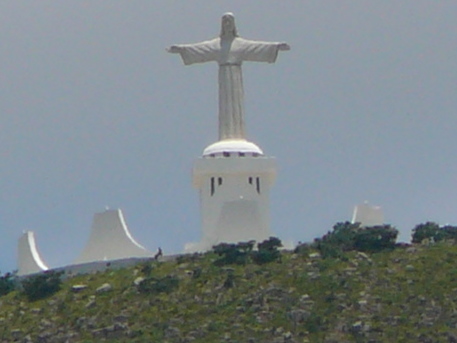
Historically, Lubango was founded during the Portuguese colonial period in 1907 and was originally named Sá da Bandeira. It became a key destination for Portuguese settlers and later an important site during the Angolan Civil War, which lasted from 1975 until 2002. The war resulted in significant destruction, but post-war reconstruction efforts have revitalized the city, leading to improvements in infrastructure and public services. Lubango is home to several historical and cultural sites, such as the Christ the King statue, which overlooks the city and is one of Africa's tallest Christ statues, capturing the attention of both locals and tourists. The city also hosts various annual festivals and events that celebrate local culture, including music, dance, and traditional cuisine, making it a vibrant hub of social activity in the region.
Today's Lubango is characterized by a rapidly growing population, which reflects the city’s increasing importance as a regional center. The local economy is bolstered by agriculture, particularly the cultivation of crops like maize and beans, as well as livestock farming. Moreover, Lubango is strategically positioned as a connection point for trade routes to other parts of Angola and neighboring countries. The integration of modern amenities, such as improved roads, schools, and healthcare facilities, alongside the preservation of cultural traditions, indicates a city poised for continued growth and development in the years to come.
Facts about Lubango
- Lubango is known for its striking geological formations, including the famous Serra da Leba mountain pass, which offers dramatic views and is a popular tourist attraction.
- The city was established in the early 20th century by Portuguese colonizers and was originally named São Paulo de Lubango.
- Lubango is home to the Christ the King statue, which is one of the tallest Christ statues in Africa, standing at 30 meters (98 feet) tall, overlooking the city.
- The city serves as the capital of the Huíla Province, which is notable for its agricultural production, particularly in the cultivation of maize, beans, and various fruits.
- Lubango has a mild climate due to its elevation (approximately 1,760 meters or 5,770 feet above sea level), making it one of the more temperate cities in Angola.
- The Lubango Airport is a key hub for both domestic and international flights, facilitating travel to this unique region.
- The city has a diverse population comprising various ethnic groups, contributing to a rich cultural tapestry highlighted in local festivals and traditions.
- Lubango is known for its historical significance during the Angolan Civil War, where it served as a strategic location for both government and rebel forces.
- The surrounding region features numerous natural parks and reserves, making it a destination for eco-tourism, especially for hiking and wildlife observation.
- The local architecture of Lubango showcases a blend of colonial and modern influences, with several historic buildings that reflect its Portuguese colonial past.