Lubliniec, Poland
- 23,784 people
- 12 places to visit
- 50.6687, 18.6846
Places to Visit (12)
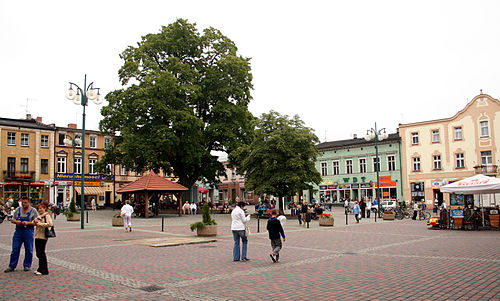
Lubliniec is a town located in southern Poland, within the Silesian Voivodeship. It is part of the Tarnowskie Góry County and lies approximately 40 kilometers northwest of Katowice, the capital of the region. Historically, Lubliniec emerged as a significant center in the 13th century, initially characterized by its agricultural roots and strategic location along trade routes. The town's name is derived from the Polish word "lubić," meaning "to like," which reflects a fondness for the area. With a population of around 27,000 residents, Lubliniec has developed over the years into a vibrant community that balances its historical heritage with modern development.
The architectural landscape of Lubliniec showcases various historical structures, including the 17th-century St. Stanislaus Church and the richly decorated market square. The town's historical significance is further emphasized by remnants of its medieval past, such as the Lubliniec Castle, which, although partially destroyed, still serves as a symbol of the town’s rich history. Lubliniec is also known for its educational institutions, parks, and recreational areas, catering to the needs of families and young individuals. The surrounding natural landscape includes scenic hills and forests, making it an ideal location for outdoor activities, such as hiking and cycling. Economic development in Lubliniec has been supported by its proximity to industrial centers, with various enterprises contributing to its growth and offering employment opportunities.
Culturally, Lubliniec hosts numerous festivals and events that celebrate its heritage and foster community togetherness. The town values traditions and promotes local crafts, which attract both residents and visitors. Efforts toward preservation and enhancement of local culture are evident in the activities of community organizations. Additionally, Lubliniec’s strategic location makes it a convenient base for exploring the broader Silesian region, known for its rich history, beautiful landscapes, and diverse cultural offerings. As a town that blends historical significance with contemporary life, Lubliniec continues to evolve while maintaining its unique identity within Poland’s tapestry.
Facts about Lubliniec
- Lubliniec is known as the 'Cradle of the Polish Army,' due to its historical significance as a military center, particularly during the early 19th century.
- The city is home to the historic Church of St. Stanislaus, which dates back to the Middle Ages and is a prime example of Gothic architecture in the region.
- Lubliniec hosts the annual 'Lubliniec Air Show,' attracting aviation enthusiasts and showcasing various military and civilian aircraft, making it a unique event compared to other Polish towns.
- The city has a rich tradition in pottery, and the nearby town of Częstochowa is famous for its ceramics, creating a unique cultural and economic connection in the region.
- In Lubliniec, visitors can explore the ruins of the medieval Lubliniec Castle, which offers insights into the area's feudal history and architectural heritage.
- Lubliniec has a vibrant culture of dance and music, with events such as the 'Lubliniec Dance Festival' bringing performers from around the country to celebrate various dance styles.
- The city is surrounded by the beautiful Liswarta Valley, an area known for its natural beauty and outdoor recreational opportunities, making it unique among urban centers in Poland.
- Lubliniec is known for its strong community involvement in environmental protection, hosting initiatives and events focused on sustainability that distinguish it from other Polish municipalities.
- The local cuisine in Lubliniec features traditional Silesian dishes, setting it apart from other polish towns with a strong focus on regional flavors and culinary heritage.
- In terms of education, Lubliniec is notable for having one of the oldest schools in Silesia, which has been operating since the 17th century, highlighting its historical commitment to education.