Lubuklinggau, Indonesia
- 234,166 people
- 12 places to visit
- -3.2996, 102.8572
Places to Visit (12)
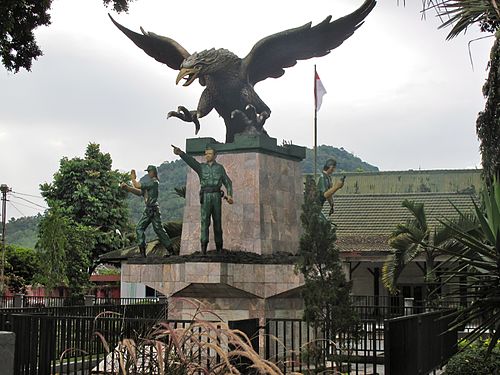
Lubuklinggau is a city located in the South Sumatra province of Indonesia. Established in 1999, Lubuklinggau was initially part of the Musi Rawas Regency before gaining its status as an independent city. The city lies in the highlands surrounding the Bukit Barisan mountain range and is positioned approximately 300 kilometers northwest of Palembang, the provincial capital. With a population estimated at around 200,000 residents, Lubuklinggau is known for its diverse ethnic composition, primarily consisting of Javanese, Malay, and various indigenous groups, contributing to a vibrant cultural tapestry that reflects the rich heritage of the region.
Lubuklinggau is characterized by its distinctive topography, featuring rolling hills and lush green landscapes, making it an appealing destination for nature enthusiasts. The city serves as a gateway to several natural attractions, including the nearby Kera Mountain, known for its hiking trails and panoramic views. Moreover, Lubuklinggau has several rivers, such as the Musi River, which is integral to the local economy and transportation. The city's economy is largely based on agriculture, trade, and small-scale industries, with paddy rice, rubber, and palm oil being significant contributors. With its strategic location, Lubuklinggau is also an important transportation hub, facilitating trade routes between different regions in Sumatra. Over the years, the city has developed its infrastructure, including roads and public services, while embracing modern urbanization while still maintaining its local charm and traditions.
Facts about Lubuklinggau
- Lubuklinggau is known for its rich mining history, particularly in coal and copper, which has significantly influenced its economy.
- The city has a unique geographical feature, with a mix of hilly terrains and river valleys, making it distinct from many other Indonesian cities.
- Lubuklinggau is home to the Great Mosque of Lubuklinggau, which showcases a blend of traditional and modern Islamic architecture.
- The city hosts the annual Lubuklinggau Fair, which celebrates local culture, crafts, and cuisine, setting it apart from other regional festivals.
- Lubuklinggau was established in 1982, making it one of the newer cities in Indonesia, officially designated as a city in its own right.
- The city's name, Lubuklinggau, is derived from local Malay terms that refer to a certain type of lowland area and the winding rivers that flow through it.
- Lubuklinggau is known for its diverse cultural influences, drawing from various ethnic groups, including Javanese, Sundanese, and Minangkabau.
- The city features several historical landmarks, including the remnants of Dutch colonial architecture, which highlights its historical significance.
- Lubuklinggau is recognized for its efforts in eco-tourism, with attractions such as the Bunga Tanjung Eco Nature Park, promoting conservation and recreation.
- It is strategically located as a transit hub with railway connections, which facilitates trade and travel to various parts of Sumatra.